
Everything About Hesco Bill Calculation (HESCO)
Understanding hesco bill calculation is essential for households and businesses across Sindh. Many people receive their monthly electricity bill without knowing how HESCO calculates units, taxes, and surcharges. This guide explains the entire structure in simple language so you can read your bill confidently, verify charges, and even reduce unnecessary costs.
If you want to view your bill before reading further, you can use the HESCO Online Bill Check option through the official resource. You may also visit Online Bill Check for other company bills.
Understanding Hesco Bill Calculation Step by Step
The hesco bill calculation method follows a defined structure set by NEPRA. HESCO applies slabs, tariffs, taxes, fuel adjustments, and fixed charges to compute the final amount. Knowing these components helps you verify each part.
How HESCO Calculates Units
HESCO measures your monthly electricity use in units (kWh). The meter reading from the previous month is subtracted from the current month’s reading. The difference becomes your total consumed units.
How Unit Slabs Affect Your Bill
Pakistan follows a slab-tariff system. Your unit range determines your per-unit rate. Higher slabs cost more.
How Peak and Off-Peak Timings Work
If you have a TOU meter, HESCO divides units into peak and off-peak. Peak hours cost more due to high demand.

Fixed Charges in Hesco Bill Calculation
HESCO includes fixed charges depending on your connection type. These stay constant even if you use fewer units.
Fuel Price Adjustment (FPA)
Monthly changes in fuel prices create FPA. It is added to your bill when national fuel costs rise.
Electricity Duty and GST
Government taxes include:
Electricity Duty
General Sales Tax
Income Tax (for some consumers)
These taxes often increase the final bill by 20–30%.
Quarterly Tariff Adjustments
HESCO issues quarterly adjustments based on NEPRA decisions. These can increase or reduce your bill.
Arrears or Previous Balance
Any unpaid amount appears in the arrears section. This is added to the current bill.
How to Perform Hesco Bill Calculation Manually
Understanding hesco bill calculation manually helps verify your monthly amount. You only need:
Total units consumed
Applicable tariff slab
FPA rate
Government taxes
Calculate Cost of Units
Multiply your units by the slab rate.
Add Fixed Charges
Include fixed charges based on the tariff.
Add FPA
FPA is added only if mentioned in the bill.
Apply Taxes
GST is applied on the total bill amount except TV fee.
Add TV License Fee
This is fixed for households.
Add Arrears if Any
Add any previous balance to the total.
Your final amount becomes the payable bill.
Real Example of Hesco Bill Calculation
Here is a simplified example for better clarity.
Meter units: 300
Per-unit slab rate example:
1–200 units = lower rate
201–300 units = higher rate
If the first 200 units cost less, and the remaining 100 fall into a higher slab, your cost increases. Add FPA, GST, and fixed charges to get the total.
This helps show why even small increases in units can change your total bill significantly.
Why Hesco Bills Increase Even With Similar Usage
Many consumers notice bill changes even when usage looks the same. This happens due to:
Seasonal tariff changes
Quarterly adjustments
FPA increases
Slab shifts due to slightly higher units
Additional taxes during some months
Understanding these factors makes your hesco bill calculation more predictable.
How to Reduce Your Hesco Bill
Small adjustments can lower your monthly cost.
Shift Usage to Off-Peak Hours
Devices like ACs, irons, and motors cost less in off-peak hours.
Maintain Appliances
Old appliances waste energy and increase units.
Avoid High Slab Crossing
Staying under 200 units saves the most money.
Turn Off Extra Lights and Fans
Even small reductions matter in slab-based billing.
Use LED Bulbs
LEDs consume far less electricity than older bulbs.
Common Issues in Hesco Bills and How to Fix Them
Sometimes consumers face errors or confusing entries in their bills. Here are common issues:
Incorrect meter reading
Overestimated units
FPA applied incorrectly
Double charges on arrears
High fixed charges on commercial meters
You can visit the nearest HESCO office with your bill for correction. Take a clear photo of your meter as proof.
How to Read Your HESCO Bill Properly
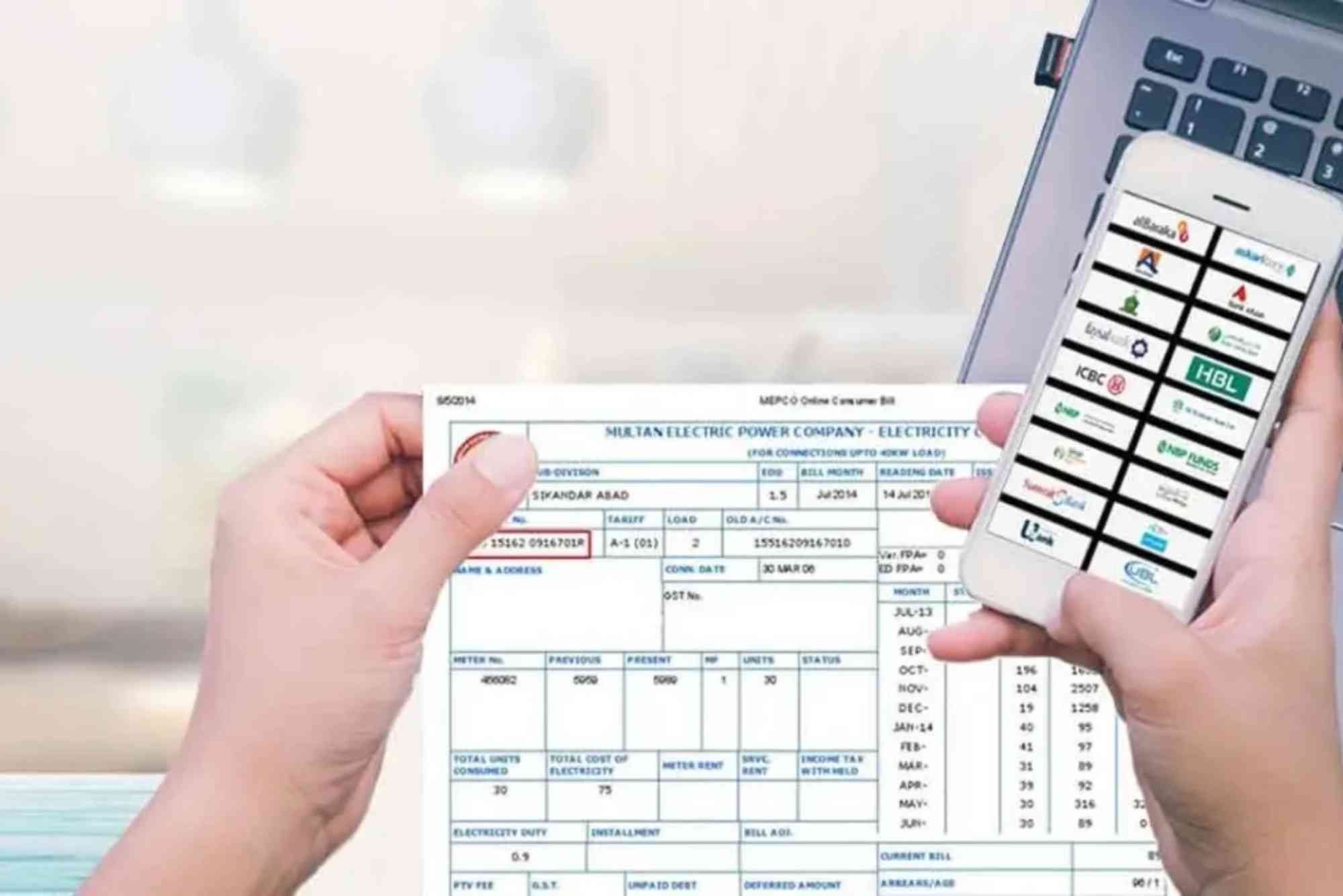
Understanding the bill layout helps verify charges. Your bill includes:
Consumer reference number
Meter reading details
Bill month
Units consumed
Slab breakdown
FPA
Fixed charges
Taxes
Total payable
Checking each line makes your hesco bill calculation clear and accurate.
Latest Updates in Hesco Billing
Tariff changes occur often. New adjustments impact:
Slab rates
Fuel surcharges
Quarterly adjustments
Meter rent
Commercial connection charges
Consumers should check monthly updates on NEPRA decisions to understand changes in billing.
Hesco Bill Calculation for Commercial Users
Commercial users pay higher tariffs, additional taxes, and demand charges.
Demand Charges
These are added based on your sanctioned load.
Higher GST Rates
Commercial GST is higher compared to residential.
FPA Impact
Commercial users often face larger FPA changes.
Knowing these factors helps businesses manage electricity budgets better.
FAQs
How is the Hesco bill calculated?
Your HESCO bill is calculated using consumed units, slab rates, fixed charges, FPA, GST, and other taxes.
How can I check my Hesco bill online?
You can check it through the HESCO Online Bill Check service, which requires only your reference number.
Why is my Hesco bill so high?
High bills often result from higher slab consumption, FPA, seasonal tariffs, or incorrect meter readings.
What is FPA in Hesco bills?
FPA is a fuel price adjustment added based on variations in national fuel cost.
How can I reduce my Hesco bill?
Using appliances during off-peak hours, avoiding slab jumps, and improving home efficiency helps reduce your bill.
What are peak hours in HESCO?
Peak hours vary by season, and running appliances during these hours increases your bill.
How do I calculate Hesco bill units?
Subtract your previous meter reading from the current one to find total units consumed.
Understanding hesco bill calculation gives you more control over your electricity usage and helps avoid unexpected charges. You can now read your bill, calculate charges, track FPA, and manage your monthly consumption wisely.