Complete Guide to IESCO Net Metering Rates (IESCO)
IESCO net metering rates are a major concern for homeowners and businesses shifting to solar energy. With rising electricity prices in Pakistan, net metering offers a practical way to reduce monthly bills. This guide explains how IESCO net metering works, current rates, billing calculations, and real savings. You will also learn how exported units are adjusted and what to expect after approval.
This article is written from practical experience with IESCO billing structures. It reflects how net metering actually appears on monthly bills. If you already use solar or plan to install it, this guide will help you make informed decisions.
What Is Net Metering Under IESCO
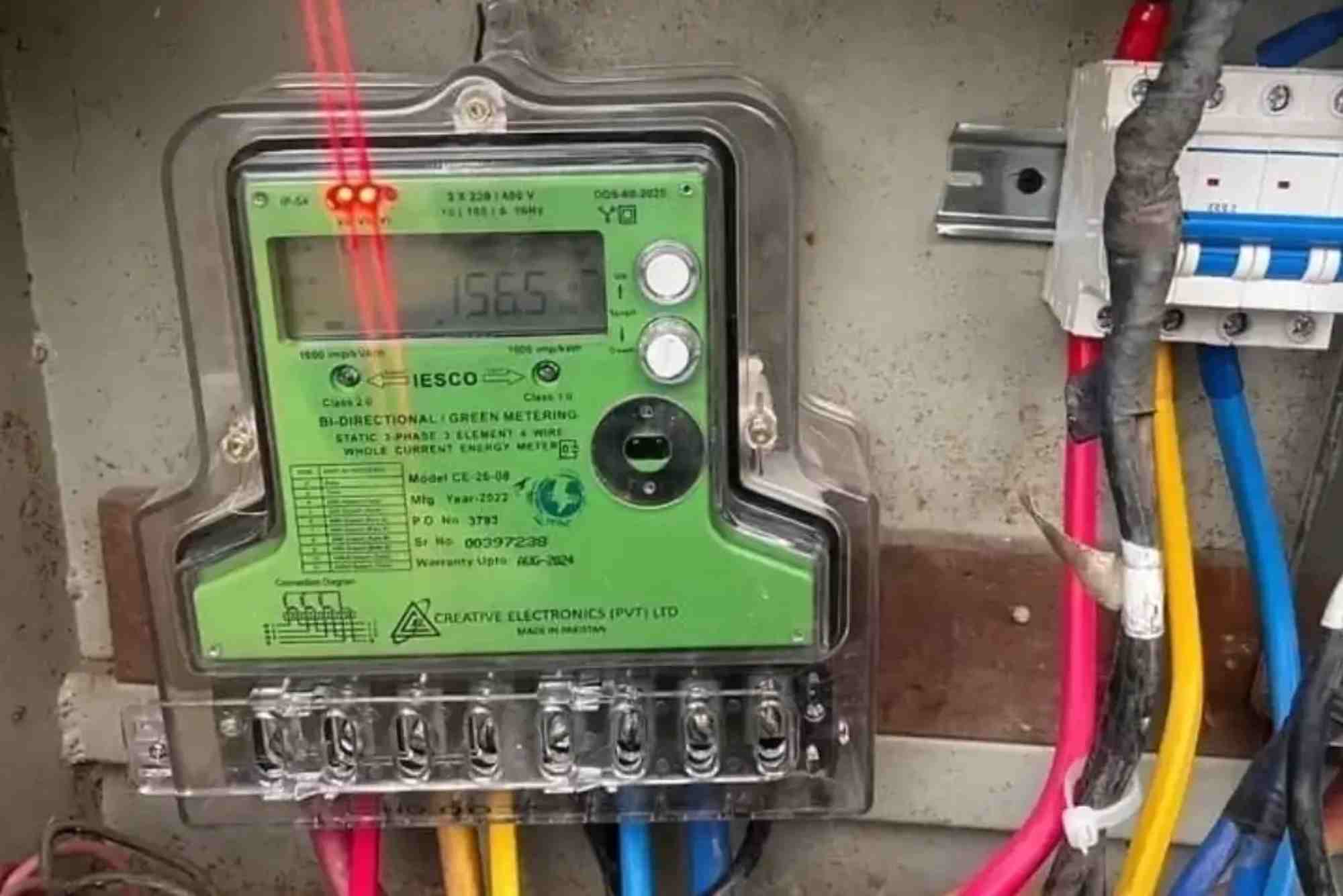
Net metering allows IESCO consumers to export excess solar electricity to the national grid. These exported units are adjusted against imported units in the monthly bill. The system uses a bi-directional meter approved by IESCO.
When your solar system produces more electricity than you consume, extra units go to the grid. At night or low production hours, electricity is imported back. The bill reflects net consumption.
IESCO net metering rates determine how exported units are valued. Understanding this rate is critical before installing solar.
Why IESCO Net Metering Rates Matter
IESCO net metering rates directly affect your return on investment. Higher export rates mean faster cost recovery. Lower rates reduce monthly savings.

Many users assume exported units are paid at the same retail tariff. That assumption is incorrect. IESCO follows NEPRA’s net metering regulations. Exported units are adjusted at a specific off-peak energy rate.
Knowing the actual rate prevents unrealistic expectations.
Current IESCO Net Metering Rates Explained
IESCO net metering rates are based on NEPRA’s approved energy purchase price. As of recent billing cycles, exported units are credited at around Rs. 19–22 per unit. This rate excludes taxes and surcharges.
Imported units are charged at the applicable consumer tariff. That tariff may exceed Rs. 50 per unit for many users. The difference between import and export rates is important.
IESCO does not pay cash for exported units. Units are adjusted in kilowatt-hours only. Excess credits carry forward to future bills.
How IESCO Calculates Net Metering Bills
IESCO billing under net metering follows a simple formula. Imported units minus exported units equal net units.
If imported units exceed exports, you pay for the difference. If exports exceed imports, the extra units are credited.
IESCO net metering rates apply only to exported energy units. Capacity charges, meter rent, and taxes still apply. Many users overlook these fixed costs.
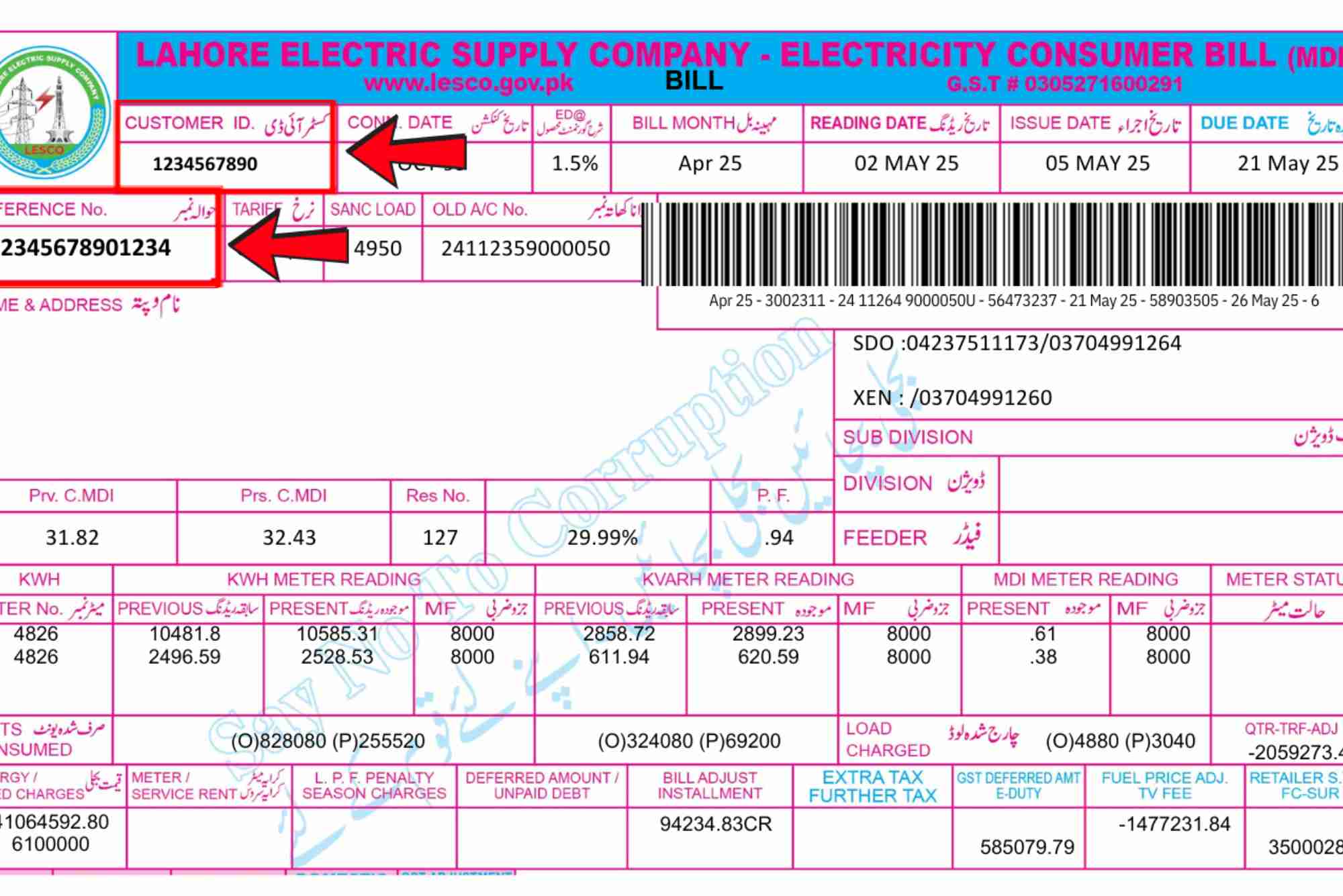
You can verify bill details using the official portal. For accurate tracking, use IESCO Online Bill Check through. It shows imported and exported units clearly.
Import Tariff vs Export Rate Difference
The biggest misconception is tariff equality. IESCO net metering rates are lower than domestic tariffs. This gap exists nationwide.
For example, if you import at Rs. 55 per unit and export at Rs. 21 per unit, savings still exist. The goal is to reduce imports, not profit from exports.
Smart system sizing reduces excess exports. Balanced production ensures maximum self-consumption.
Net Metering Eligibility With IESCO
IESCO allows net metering for residential, commercial, and industrial consumers. The approved solar capacity must not exceed the sanctioned load.
Three-phase connections are preferred for higher capacities. Single-phase users can still apply within limits.
IESCO inspects the installation before approval. The inverter must be grid-compliant and anti-islanding certified.
Approval Process and Timeline
The net metering process starts with an application through the distributed generation portal. After submission, IESCO conducts a technical review.
A site inspection follows within weeks. Meter installation is the final step. The full process usually takes two to three months.
Once approved, IESCO net metering rates apply automatically. No separate contract negotiation is needed.
Impact of Taxes and Surcharges
IESCO net metering rates apply only to energy charges. Taxes still apply on net imports.
If you export more than you import, minimum charges still appear. These include meter rent and service fees.
Understanding these charges avoids confusion when the first bill arrives.
Seasonal Effect on Net Metering Rates
Solar production changes with seasons. Summer exports are usually higher due to longer sunlight hours. Winter production is lower.
IESCO net metering rates remain constant year-round. Only unit volumes change.
Planning system size based on annual averages ensures stable savings.
Real Savings From IESCO Net Metering
Most residential users recover system costs in four to six years. Savings depend on usage patterns and load shifting.
Daytime usage maximizes benefits. Appliances running during sunlight reduce grid imports.
IESCO net metering rates reward efficient consumption more than excessive exporting.
Common Mistakes Solar Users Make
Oversizing the solar system is a common error. Excess exports do not generate cash income.
Ignoring fixed charges leads to billing surprises. Net zero units do not mean zero bill.
Monitoring monthly units helps adjust usage habits. You can track this easily via Online Bill Check at.
Future Outlook of IESCO Net Metering Rates
IESCO net metering rates may change with NEPRA reviews. Energy policies evolve with fuel costs and grid demand.
Current users are protected under existing agreements. New applicants follow updated regulations.
Staying informed ensures long-term planning remains accurate.
How to Maximize Benefits Under IESCO Net Metering
Shift heavy loads to daytime hours. Use energy-efficient appliances. Monitor export-import trends monthly.
Avoid relying on exports for profits. Focus on reducing grid dependence.
Proper maintenance keeps production consistent.
FAQs About IESCO Net Metering Rates
What are the current IESCO net metering rates in Pakistan
IESCO net metering rates are based on NEPRA’s energy purchase price. Exported units are credited around Rs. 19–22 per unit, excluding taxes.
Does IESCO pay cash for excess solar units
IESCO does not pay cash. Excess exported units are carried forward as credits. These credits adjust future imports only.
Are net metering rates the same for residential and commercial users
Yes, IESCO net metering rates for exported units are the same. Import tariffs differ by consumer category.
Why is my bill not zero despite exporting more units
Fixed charges, meter rent, and taxes still apply. Net zero energy does not eliminate these costs.
Is IESCO Net Metering Worth It
IESCO net metering rates make solar energy financially viable for most users. While export rates are lower than import tariffs, savings remain significant.
Related Reading: Iesco Electricity Rates
Related Reading: IESCO Bill Estimator