Understanding the FESCO tariff is essential for managing your electricity expenses efficiently. Whether you are a residential user, commercial business owner, or industrial consumer, knowing how electricity rates are calculated can help you control your monthly bill. Faisalabad Electric Supply Company (FESCO) applies different tariff structures based on usage categories, unit consumption, and government regulations. For more electricity tools and guides, visit BijliPK.
Electricity tariffs in Pakistan are influenced by multiple factors including fuel cost adjustments, taxes, and peak hour usage. Many consumers in FESCO regions like Faisalabad, Sargodha, and Jhang struggle to understand why their bills fluctuate every month. Before diving deeper, you can check your bill using Check Electric Bill.
This comprehensive guide explains FESCO tariff structure, unit rates, slab system, additional charges, and practical ways to reduce your electricity cost.
What is FESCO Tariff?
FESCO tariff refers to the pricing structure used by Faisalabad Electric Supply Company to calculate electricity bills. It determines how much consumers pay based on their electricity consumption.
The tariff system is regulated by NEPRA (National Electric Power Regulatory Authority) and varies depending on usage type and consumption levels. To understand your billing in detail, check Bill Breakdown Guide.
Understanding tariff helps consumers predict their bills and manage electricity usage more effectively.

Types of FESCO Tariff Categories
FESCO applies different tariff categories based on consumer type. Each category has its own rate structure.
- Residential Tariff
- Commercial Tariff
- Industrial Tariff
- Agricultural Tariff
- Bulk Supply Tariff
Each category has unique pricing based on usage and demand. For more details, visit Electricity Category.
Residential Tariff Structure
Residential tariff is the most common category used by households. It follows a slab system where unit rates increase as consumption increases.
For example, lower units are charged at lower rates, while higher consumption falls into expensive slabs.
To calculate your units accurately, use Unit Calculation Guide.
Commercial Tariff Explained
Commercial users such as shops, offices, and small businesses fall under commercial tariff. These rates are generally higher than residential tariffs.
Businesses consume more electricity, which results in higher charges.
Managing consumption can help reduce business expenses.
Industrial Tariff Overview
Industrial tariff is designed for factories and large-scale operations. These consumers use heavy machinery and require consistent electricity supply.
Rates are structured differently to support industrial growth.
Efficient energy usage is critical in this category.
FESCO Tariff Slabs and Unit Rates
The slab system is a key component of FESCO tariff. It divides electricity usage into different ranges, each with its own rate.
Example slab structure:
- 1–100 units (low rate)
- 101–200 units (moderate rate)
- 201–300 units (higher rate)
- 300+ units (highest rate)
Understanding slabs helps you avoid entering higher rate categories.
Additional Charges in FESCO Tariff
Electricity bills include several additional charges besides unit rates.
- Fuel Price Adjustment (FPA)
- General Sales Tax (GST)
- TV Fee
- Electricity Duty
- Service Charges
These charges significantly impact your total bill.
Peak Hours and Their Impact on Tariff
Electricity usage during peak hours is charged at higher rates. Peak hours usually occur in the evening when demand is high.
Reducing usage during peak hours can lower your bill.
Energy management is essential for cost control.
How to Calculate FESCO Bill Using Tariff?
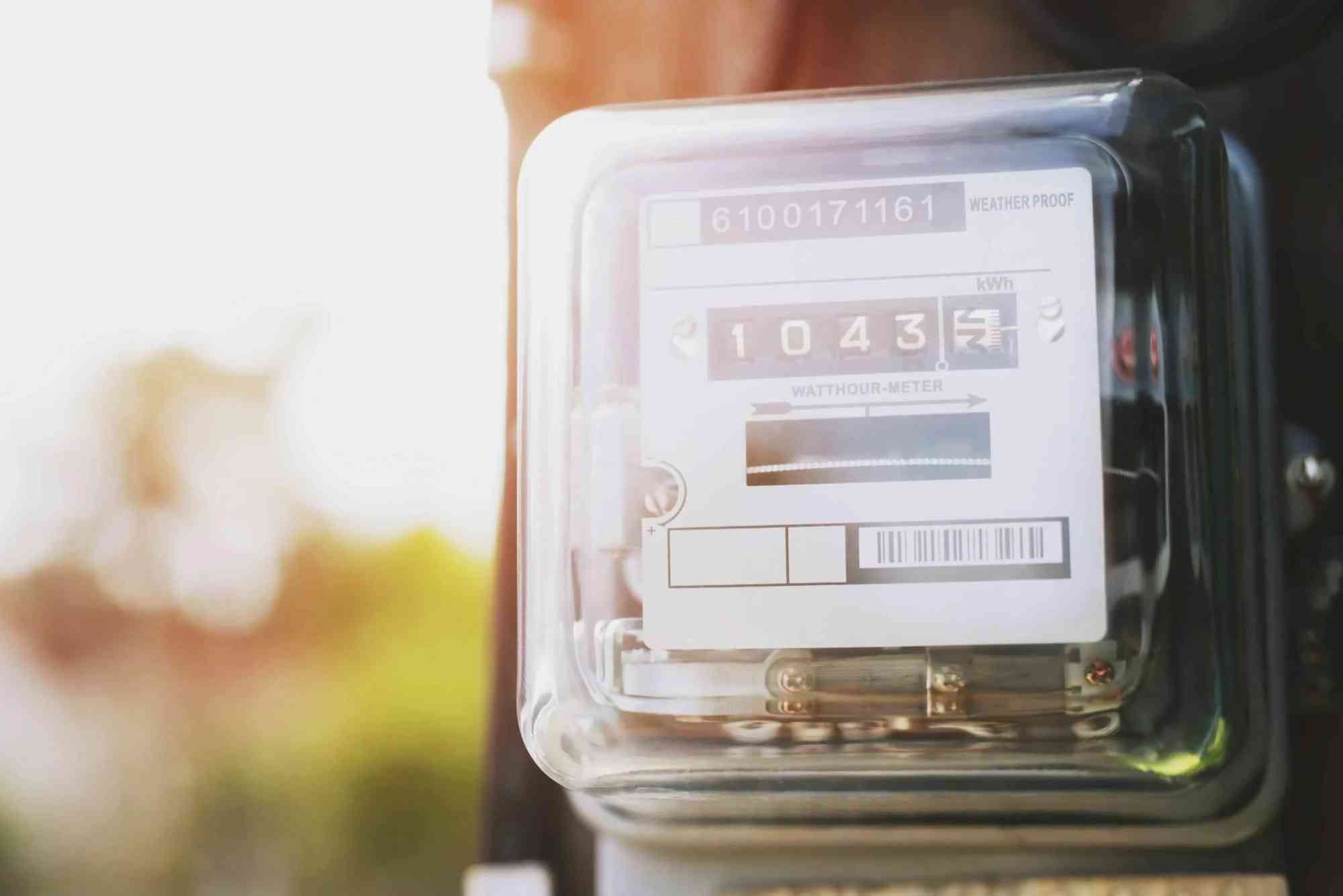
Calculating your electricity bill requires understanding unit consumption and applicable tariff rates.
Steps include:
- Check total units consumed
- Identify applicable slab
- Apply unit rate
- Add taxes and charges
For easier calculation, visit Bill Payment Guide.
Ways to Reduce Electricity Cost?
Reducing electricity cost requires smart usage and energy-efficient practices.
- Use LED lights
- Switch off unused appliances
- Limit AC usage
- Install solar panels
- Use energy-efficient devices
For more tips, check Save Electricity Guide.
Common Tariff Misconceptions
Many consumers misunderstand how tariffs work, leading to confusion about billing.
Common myths include:
- All units are charged at same rate
- Tariff is fixed permanently
- Higher bills are always errors
Understanding actual tariff structure clears confusion.
Future Changes in FESCO Tariff
Electricity tariffs are subject to change due to government policies and fuel price fluctuations.
Consumers should stay updated with new announcements.
Adapting to changes helps manage electricity costs effectively.
Conclusion
FESCO tariff plays a crucial role in determining your electricity bill. Understanding tariff categories, slab system, and additional charges helps you control your expenses.
By adopting energy-efficient practices and staying informed, you can significantly reduce your electricity costs.
For more guides and tools, visit BijliPK.
Frequently Asked Questions
What is FESCO tariff?
It is the pricing system used to calculate electricity bills.
How are electricity rates calculated?
Based on unit consumption and tariff slabs.
What are tariff slabs?
Different usage ranges with different rates.
How can I reduce my electricity bill?
Use energy-efficient appliances and reduce usage.