
For many electricity consumers in Gujranwala and surrounding areas, the GEPCO income tax certificate becomes important when tax season arrives, when business accounts are being closed, or when a filer wants to reconcile utility-related tax deductions properly. A lot of people see income tax and withholding tax entries on their electricity bill, but they are not always sure what those charges mean, whether they can claim them, how to download the certificate, or what to do if the data does not look correct.
This guide explains the full process in practical language. It covers what the GEPCO income tax certificate is, how it relates to the GEPCO WHT certificate, where consumers usually get confused, how to verify supporting bill data through the GEPCO online bill check, and how to manage the certificate properly for filing, recordkeeping, and dispute handling. If you want broader GEPCO-related resources in one place, the GEPCO category archive on BijliPK is also useful for related billing, complaint, and support topics.
What Is a GEPCO Income Tax Certificate?
A GEPCO income tax certificate is a yearly or period-based tax record that shows the amount of tax collected through your electricity bill under relevant tax rules. In practical use, many consumers refer to it as a tax certificate, income tax certificate, or withholding tax certificate. On utility bills in Pakistan, withholding tax and related tax entries can become important for business owners, tax filers, companies, landlords, and sometimes even salaried individuals who want clean supporting documents for tax records.
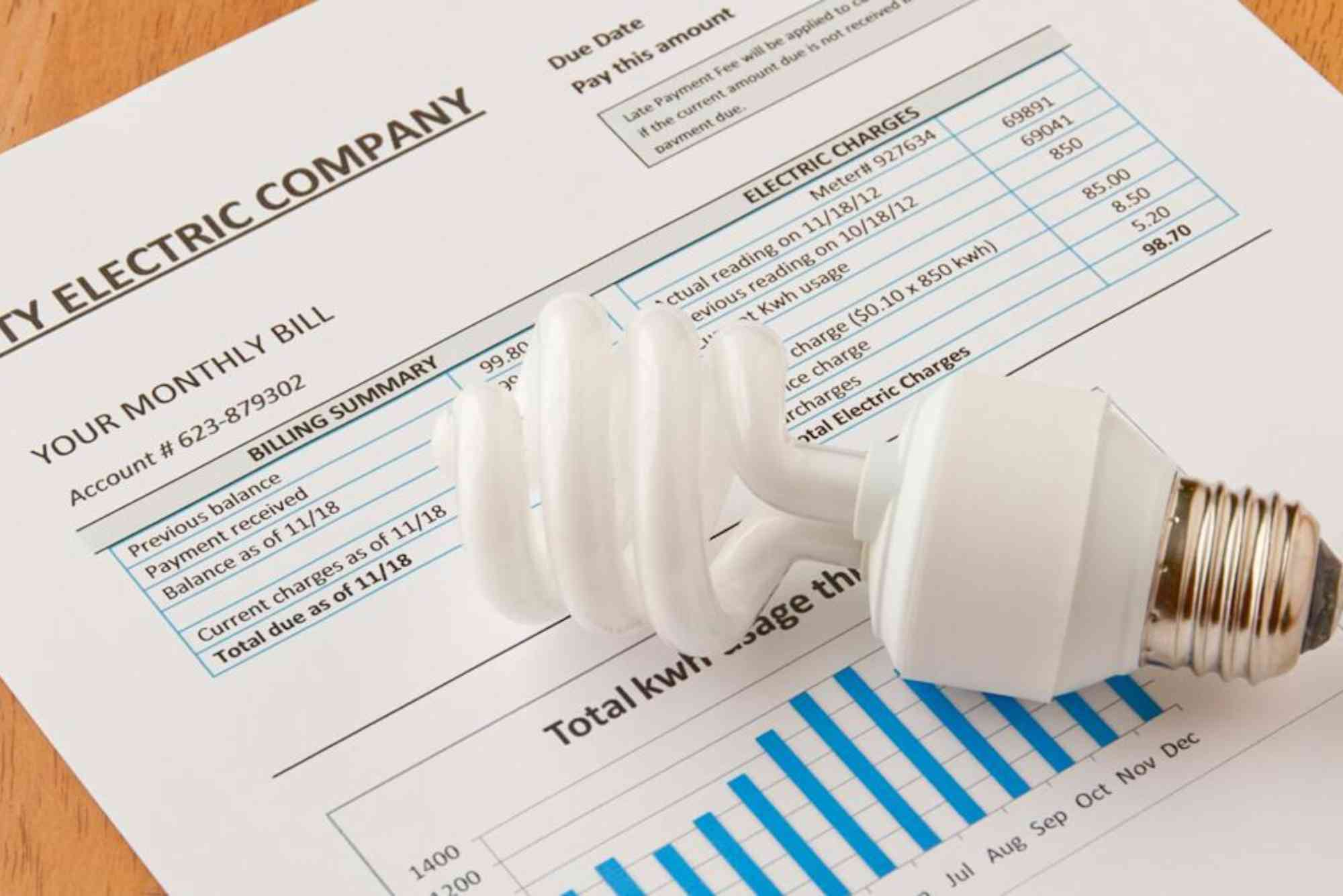
The certificate is not the same thing as a normal monthly bill. Your bill shows month-wise charges, units, taxes, and due dates. The certificate is the summarized document people usually need when preparing their tax records. That is why users often move between the GEPCO income tax guide and the GEPCO WHT certificate guide when trying to understand what exactly they need to download.
In simple terms, if your monthly GEPCO bills include a tax component that is relevant for income tax or withholding tax documentation, the certificate is the formal document that helps you prove that deduction for a specific period.
Why This Certificate Matters?
The biggest reason this certificate matters is documentation. Bills are useful, but a tax certificate is cleaner and easier to use when someone needs annual proof. Businesses often maintain utility tax records as part of accounting files. Tax consultants may ask for these records during return preparation. Auditors may request them during review. Even individuals sometimes need them when reconciling deductions or checking whether the charged amount seems consistent with usage and tax treatment.

A second reason is clarity. Many consumers see tax lines on their electricity bill and assume every tax charge is the same. In reality, a GEPCO bill can contain different components, including usage charges, duty, GST, surcharges, and withholding-related entries. Understanding this difference becomes easier when you also review the GEPCO GST explanation and the broader GEPCO bill breakdown guide.
A third reason is dispute handling. If a user believes the applied tax is not matching the expected status, maintaining proper tax documents becomes essential. It is much easier to raise a credible question when you have the actual certificate, the relevant monthly bills, and the account details already organized.
GEPCO Income Tax Certificate vs GEPCO WHT Certificate
Many users treat these two terms as interchangeable, and in practical conversation that often happens. On BijliPK, you will notice both a dedicated GEPCO income tax page and a dedicated GEPCO WHT certificate page. This reflects how people search for the topic in different ways. Some people search with the word “income tax certificate,” while others search specifically for “WHT certificate” or “withholding tax certificate.”
The difference is usually about wording and tax context. “Income tax certificate” is the broader phrase consumers often use. “WHT certificate” is a more specific phrase that directly points to withholding tax documentation. In practical bill-related use, the consumer’s main concern is usually the same: how to obtain the tax deduction record connected to the electricity account.
If you are creating content or helping users on a utility site, this difference matters for search intent. Some users are trying to understand the tax itself. Others already know what they want and only need the exact download process. A strong article should satisfy both intents, which is why this guide covers both explanation and action.
Who Usually Needs a GEPCO Income Tax Certificate?
Not every customer thinks about tax documentation every month, but several categories of users tend to need this certificate regularly. Businesses and shops often require it for accounting records. Tax filers need it during return preparation. Property owners may use it when keeping records of utility expenses on rented or managed premises. Partnerships, companies, and service offices also keep these certificates as part of their compliance files.
Even if you are not downloading it immediately, it is smart to know where it fits in your documentation process. Consumers who already manage their bills digitally through the duplicate bill page, follow issue resolution through the GEPCO tracking guide, or use the GEPCO online complaint process are usually better prepared when they later need tax records.
What Information You Need Before Downloading the Certificate?
The process is simple if your account details are ready. The most important piece of information is usually the electricity bill reference number. This number appears on your electricity bill and identifies your consumer account. If you do not have a paper bill available, checking your latest bill first through the GEPCO bill check page is often the fastest way to recover the required details.
You should also know the period or tax year you need. Some users only need the latest year. Others may need older tax records for audits, filing corrections, business reconciliation, or late documentation. It also helps to confirm whether the connection is in an individual name, business name, or another ownership arrangement, because that can affect how the document is used later in tax files.
Before starting the process, make sure you have:
- Your correct GEPCO reference number from the electricity bill
- The tax year or period for which you need the certificate
- Access to a recent bill for cross-checking account details
- A saved PDF folder or print option if you need physical records
- Basic awareness of your bill’s tax section, especially WHT and GST lines
How to Download a GEPCO Income Tax Certificate?
The actual user intent behind this keyword is usually straightforward: people want the certificate quickly. In most cases, the process starts with confirming your account details, identifying the correct certificate type, and then accessing the relevant online tax certificate section through the proper official route. The stronger supporting content on BijliPK around this topic is the GEPCO WHT certificate article, because it specifically focuses on tax certificate access and explains the process clearly.
In practical terms, the process usually works like this: first confirm your reference number, then access the relevant certificate section, then choose the required period, and finally generate, download, or print the certificate. If your account details are not matching or the certificate is not showing, the issue is often either an incorrect reference number, missing period selection, server delay, or incomplete data sync.
Users often make the mistake of trying to solve everything at once. A better approach is to break it down. First verify the account. Then verify the bill. Then verify the tax context. Then generate the certificate. This is why users who already understand the GEPCO MIS and PITC billing system generally face less confusion when dealing with document retrieval.
How to Verify the Certificate Against Your Electricity Bill?
Downloading the certificate is only one part of the job. The next step is verification. You should compare the certificate with your monthly bill records to make sure the relationship makes sense. If you only download the certificate and never review the actual monthly charges, you may miss account issues, unexpected tax treatment, or bill inconsistencies.
Start by checking the latest and previous bills using the GEPCO bill portal. Look at the tax-related lines. Review the bill breakdown with help from the GEPCO WAPDA bill guide. If you are trying to understand whether the bill amount itself is unusually high, the GEPCO bill calculator can help estimate expected charges based on usage.
This three-step comparison helps a lot. First, compare the certificate to the bills. Second, compare the bills to your usage pattern. Third, compare the charges to the applicable account type. Doing this reduces blind assumptions and gives you a stronger basis if you later need to contact support.
Why Consumers Get Confused About Tax on GEPCO Bills?
The confusion usually comes from two things: mixed bill components and lack of yearly context. A monthly bill presents many figures together. Consumers may see a tax line but not know whether it is general sales tax, withholding tax, fixed tax, a government duty, or some other regulated charge. This confusion becomes worse when users are checking only one month and not reviewing the full pattern over time.
That is why content around this topic has to go beyond a simple definition. A reader looking for “Gepco Income Tax Certificate” does not only want to hear that a certificate exists. They also want to know what it relates to, why the amount appears on the bill, and how to use it properly. This is also why the broader Everything About GEPCO page and the GEPCO electricity supply guide can support users who need general context before they can confidently understand tax documentation.
Common Reasons to Download the Certificate
Different users need the certificate for different reasons. A business owner may need it for bookkeeping. A tax filer may need it as proof of withheld utility tax. A consultant may request it while preparing or reconciling annual records. Someone may also need it simply because they want to confirm how much tax was actually collected through the electricity account during the year.
Another common reason is internal audit or file maintenance. Businesses that keep utilities in the company name often prefer year-wise certificate files rather than searching through twelve separate bills later. In that case, a single certificate document is cleaner and more efficient. This is especially useful when the consumer already uses GEPCO digital support tools such as the GEPCO app guide or the online complaint system to manage utility administration more systematically.
What to Do If the Certificate Is Not Showing?
If the certificate does not load, do not assume the account is invalid right away. In many cases, the problem is technical or procedural. The first issue to check is the reference number. One wrong digit is enough to block the result. The second issue is timing. Sometimes systems are slow, under maintenance, or not updated for the exact period a user has selected.
The third issue is expectation. Some users try to retrieve a certificate for a period that may not yet be available or may require a different record route. The fourth issue is misunderstanding the type of document required. A user may actually need a WHT certificate but search under a broader income tax term, or the opposite.
If the online process still fails after careful checking, it is sensible to first verify supporting data through the bill check page, then review the WHT certificate guide, and only then escalate to support through the GEPCO complaint guide or the already-published GEPCO helpline and customer support article.
How Customer Support Fits Into the Process?
Most users prefer self-service first, and that makes sense. But when the tax record is not accessible, customer support becomes relevant. Support may help if the bill details are mismatched, if the account is not producing the expected certificate, or if the user believes the tax treatment is not matching the account situation.
Still, support works best when your information is already organized. Before contacting GEPCO-related support, keep the bill copy, reference number, relevant period, and screenshots ready if the online system shows an error. You can strengthen your case by showing that you have already checked the account through the bill portal, reviewed relevant details through the MIS billing guide, and understood the bill structure through the bill explanation page.
How the GEPCO MIS and PITC Billing System Relates to Tax Documentation?
Tax certificates do not exist in isolation. They come from the broader billing and data management system. That is why it helps to understand the role of the GEPCO MIS and PITC billing system. If users understand that bill records, consumer data, and online bill access all connect within a larger digital structure, the certificate process becomes easier to understand.
This matters especially when users ask why one page shows bill data and another page is used for certificate retrieval. From the consumer’s point of view, both are part of the same utility account journey. The bill data confirms the account and usage. The tax certificate summarizes the tax documentation built from that same service relationship.
How Usage Patterns Can Indirectly Affect Tax Concerns?
While the certificate itself is a documentation issue, some tax confusion begins with high bills. When a bill jumps sharply, users often review every line, including tax lines, and conclude that “income tax has increased” when the real cause may be higher usage or a larger billing base. That is why understanding electricity consumption remains important in tax-related discussions too.
Users can reduce this confusion by reviewing the GEPCO peak time guide and using the GEPCO bill calculator. These tools help determine whether the bill increase is driven by actual consumption patterns. If consumption has risen, associated bill components may also rise. Without that context, users may blame the wrong line item.
Does a New Connection Affect Tax Documentation?
For new users, the certificate may not be an immediate concern, but it becomes relevant once billing history starts building. If someone has recently applied for service, they should first understand the connection process through the GEPCO new connection guide. Once the connection is active and bills begin generating regularly, annual tax-related documentation becomes more relevant.
This matters for property owners and businesses setting up new premises. If the electricity account will be used in a business context, it is wise to plan documentation habits from the start: keep monthly bills, verify account naming, save digital records, and download yearly certificates when available.
Best Practices for Managing Your GEPCO Tax Records
Consumers often search for the certificate only when they urgently need it. That creates stress. A better approach is routine recordkeeping. Save your latest bills regularly. Keep the reference number secure. Download the tax certificate when the period becomes available. Store the files in a year-wise folder. If you use the electricity account for business, match these files with your accounting months or fiscal cycle.
It also helps to separate different types of documents. One folder for monthly bills. One folder for complaint or service documents. One folder for tax certificates. If you ever need to compare high-bill periods, penalty concerns, or usage shifts, related pages such as the GEPCO detection bill guide, Bil GEPCO overview, and GEPCO pay slip article can also support broader account understanding where relevant.
What Makes This Topic Important for BijliPK Users?
On a site like BijliPK, this topic matters because it sits at the intersection of billing, utility literacy, and documentation. Users are not only looking for “what is it?” They are also looking for “how do I get it?”, “how do I verify it?”, and “what do I do if something is wrong?” That search intent is practical, not theoretical.
Strong content for this keyword should therefore do four things well: explain the certificate, connect it to the bill, connect it to the WHT concept, and show the user what supporting pages to check next. That is why this guide naturally connects to real internal resources including the GEPCO income tax article, the WHT certificate article, the online bill check page, and the main GEPCO category.
Final Thoughts
The GEPCO income tax certificate is a simple document, but it becomes much more useful when you understand how it fits into the full billing and documentation process. It is not just another downloadable page. It is part of your electricity account’s tax record, and for many users it becomes important at exactly the moment when clean documentation matters most.
If you want the process to be smooth, start by verifying your account details, checking your latest bill, understanding the difference between general tax lines and withholding-related records, and then downloading the correct certificate for the required year or period. Users who do this in an organized way face fewer surprises later.
For the best results, use BijliPK’s real GEPCO resources together: start with the GEPCO online bill check, review the bill breakdown, understand the income tax context, and then use the GEPCO WHT certificate guide for the actual certificate workflow. That connected approach is faster, cleaner, and far more reliable than trying to solve the issue from memory during tax season.