Everything About GEPCO Load Shedding Schedule (GEPCO)
Electricity load shedding remains a major concern for millions of people in Pakistan, especially in regions served by the Gujranwala Electric Power Company. Understanding the gepco load shedding schedule helps households, businesses, and industries plan their daily routines more effectively. When you know the expected power outage timings, you can reduce inconvenience, protect appliances, and manage work commitments without stress.
GEPCO supplies electricity to Gujranwala, Sialkot, Gujrat, Hafizabad, Narowal, and surrounding districts. These areas include residential colonies, commercial hubs, and industrial zones, each facing different levels of load shedding. This detailed guide explains everything about the gepco load shedding schedule, how it works, why it happens, and how you can stay updated with reliable information.
What Is GEPCO and Why Load Shedding Happens
GEPCO is one of Pakistan’s major electricity distribution companies. It operates under the umbrella of WAPDA and distributes power to millions of consumers in central Punjab. Despite improvements in generation, load shedding still occurs due to multiple factors.
Power shortages often arise from increased demand during summer, fuel supply constraints, and maintenance of transmission systems. In some cases, high line losses and unpaid bills also contribute. GEPCO follows a structured load shedding plan to distribute limited electricity fairly across its network.
The gepco load shedding schedule is designed to balance demand and supply. It ensures that no single area bears the burden for long periods. However, the duration and frequency of outages can vary depending on location and load category.
Understanding the GEPCO Load Shedding Schedule
The gepco load shedding schedule refers to the planned timetable of power outages announced by GEPCO. These schedules are usually area-wise and feeder-based. Each feeder supplies electricity to a specific locality, and outages rotate between feeders.
In urban areas, load shedding is often shorter and less frequent. Rural and high-loss areas may face longer outages. Industrial feeders sometimes receive priority to support economic activity, although this can change during severe shortages.
GEPCO updates its schedule based on demand forecasts and grid conditions. During extreme weather or national power shortfalls, unannounced outages may also occur. Knowing your feeder number helps you understand your exact schedule.
Area-Wise Load Shedding in GEPCO Regions
Load shedding patterns differ across GEPCO’s service areas. Cities like Gujranwala and Sialkot usually experience fewer hours due to dense populations and industrial importance. Smaller towns and villages may face longer outages.
Residential areas typically experience scheduled outages of one to three hours. Commercial zones may have shorter cuts to reduce business disruption. Agricultural feeders often have separate schedules aligned with irrigation needs.
The gepco load shedding schedule aims to keep essential services running. Hospitals, water supply systems, and emergency services often receive uninterrupted or prioritized power.
How to Check Your GEPCO Load Shedding Schedule Online
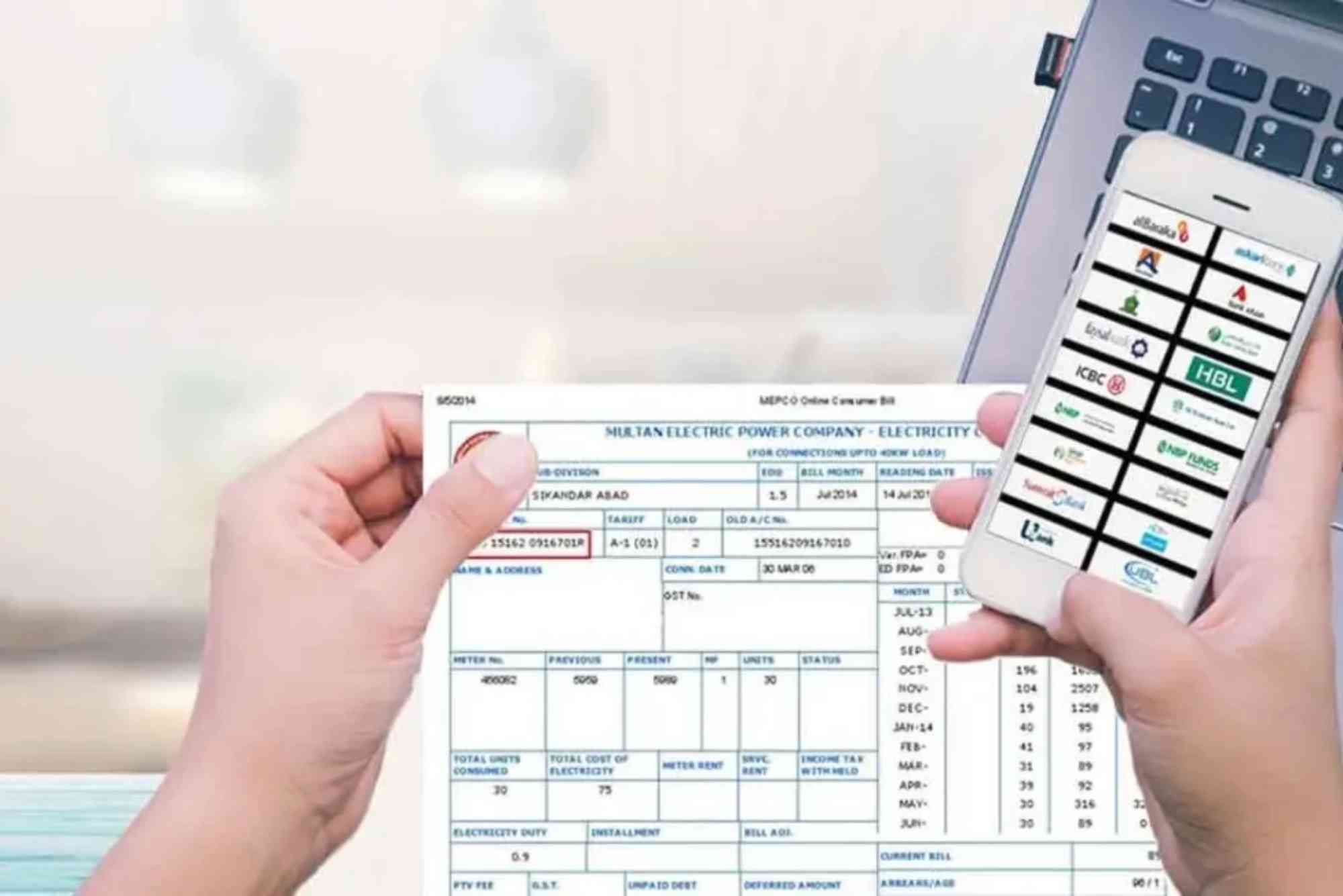
Staying informed is essential. GEPCO provides multiple ways to check updates, but many users prefer online platforms for convenience. You can find accurate billing and power-related details through trusted resources.
One helpful option is Gepco Online Bill Check, which allows consumers to view billing information and related updates easily. Another reliable platform is Online Bill Check, where users can access electricity bill services across Pakistan. These platforms often reflect the latest status and help consumers stay informed without visiting offices.
By knowing your bill details and feeder information, you can better understand how the gepco load shedding schedule applies to your area.
Seasonal Impact on GEPCO Load Shedding
Seasonal changes play a major role in electricity supply. During summer, demand increases sharply due to air conditioners and cooling systems. This leads to longer or more frequent outages.
In winter, load shedding often reduces because demand drops. However, fog and weather-related faults can still cause disruptions. The gepco load shedding schedule is adjusted seasonally to reflect these patterns.
Ramadan and national holidays may also see temporary changes. GEPCO often tries to minimize outages during important events, but results depend on overall power availability.
Industrial and Commercial Load Shedding Policies
Industrial growth is vital for the economy, especially in GEPCO regions. For this reason, industrial feeders sometimes receive special consideration. However, this does not mean complete exemption from load shedding.
Commercial areas usually face moderate outages, often scheduled during off-peak hours. This approach helps businesses operate with minimal losses. Still, during national shortages, all categories may experience cuts.
Understanding these policies helps consumers set realistic expectations about the gepco load shedding schedule.
How GEPCO Communicates Load Shedding Updates
GEPCO communicates schedules through official notices, press releases, and social media updates. Local newspapers and TV channels also share important announcements.
Consumers can also contact customer service centers for feeder-specific information. Many people rely on online platforms because they provide quick access without long waits.
Staying connected with official channels ensures you receive accurate and timely updates about the gepco load shedding schedule.
Managing Daily Life During Load Shedding
While load shedding is inconvenient, proper planning can reduce its impact. Using energy-efficient appliances helps lower demand and may reduce outages in high-consumption areas.
Scheduling important tasks during power availability hours is another smart approach. Businesses often invest in backup solutions like UPS systems or generators to ensure continuity.
By understanding the gepco load shedding schedule, households can plan cooking, studying, and working hours more effectively.
Government Efforts to Reduce Load Shedding
The government continues to invest in power generation and transmission projects. Renewable energy sources, such as solar and wind, are expanding gradually.
Upgrading transmission lines and reducing losses remain key priorities. Although progress takes time, these efforts aim to minimize load shedding across all distribution companies, including GEPCO.
Consumers also play a role by paying bills on time and conserving electricity. Responsible usage supports system stability and may improve future schedules.
Frequently Asked Questions
What is the GEPCO load shedding schedule today?
The schedule varies by feeder and area. It is best to check official updates or online platforms for current timings.
How many hours of load shedding does GEPCO have?
It depends on demand and location. Urban areas usually face fewer hours than rural regions.
Why does GEPCO do load shedding despite power plants?
Power shortages, high demand, and system losses still affect supply. Load shedding balances limited resources.
How can I complain about unscheduled load shedding?
Consumers can contact GEPCO customer service or visit the nearest service center with their reference number.
Does GEPCO reduce load shedding during Ramadan?
GEPCO often tries to minimize outages during Ramadan, but results depend on national power availability.
Stay Prepared with the Right Information
The gepco load shedding schedule affects daily life across central Punjab. Understanding how it works helps reduce frustration and improve planning. While load shedding remains a challenge, staying informed empowers consumers to manage their routines better.
Use trusted online platforms, follow official updates, and know your feeder details. If you want quick access to billing and related information, explore reliable resources that keep you updated at all times.
Take control of your electricity planning today. Stay informed, conserve energy, and share accurate information with others to reduce confusion and inconvenience.