The GEPCO logo is a simple search term on the surface, but the intent behind it is broader than it first appears. Some users want to download the logo for a presentation. Others want to verify whether an image they found online is the real GEPCO mark. Some are trying to understand what the logo represents, where it appears officially, and whether it can be used in documents, websites, school projects, business materials, or utility-related articles. On BijliPK, this topic also fits naturally into the wider GEPCO content ecosystem because people who search for the logo often need related information about bills, complaints, digital services, or company identity. GEPCO is the Gujranwala Electric Power Company, and its official web presence and bill services are publicly visible through its official website and web bill system. :contentReference[oaicite:0]{index=0}
If you are publishing a page around this keyword on BijliPK, the goal should not be to upload a random image and stop there. A stronger page explains what the logo stands for, why people search for it, how to identify the correct version, where the logo commonly appears, and what users should know before downloading or reusing it. That is what makes the content useful for both search engines and real readers. It also lets you naturally connect the page to core GEPCO resources such as the GEPCO overview, the GEPCO online bill check, and the broader GEPCO category, which already includes a dedicated “Gepco Logo” post in the site’s GEPCO archive. :contentReference[oaicite:1]{index=1}
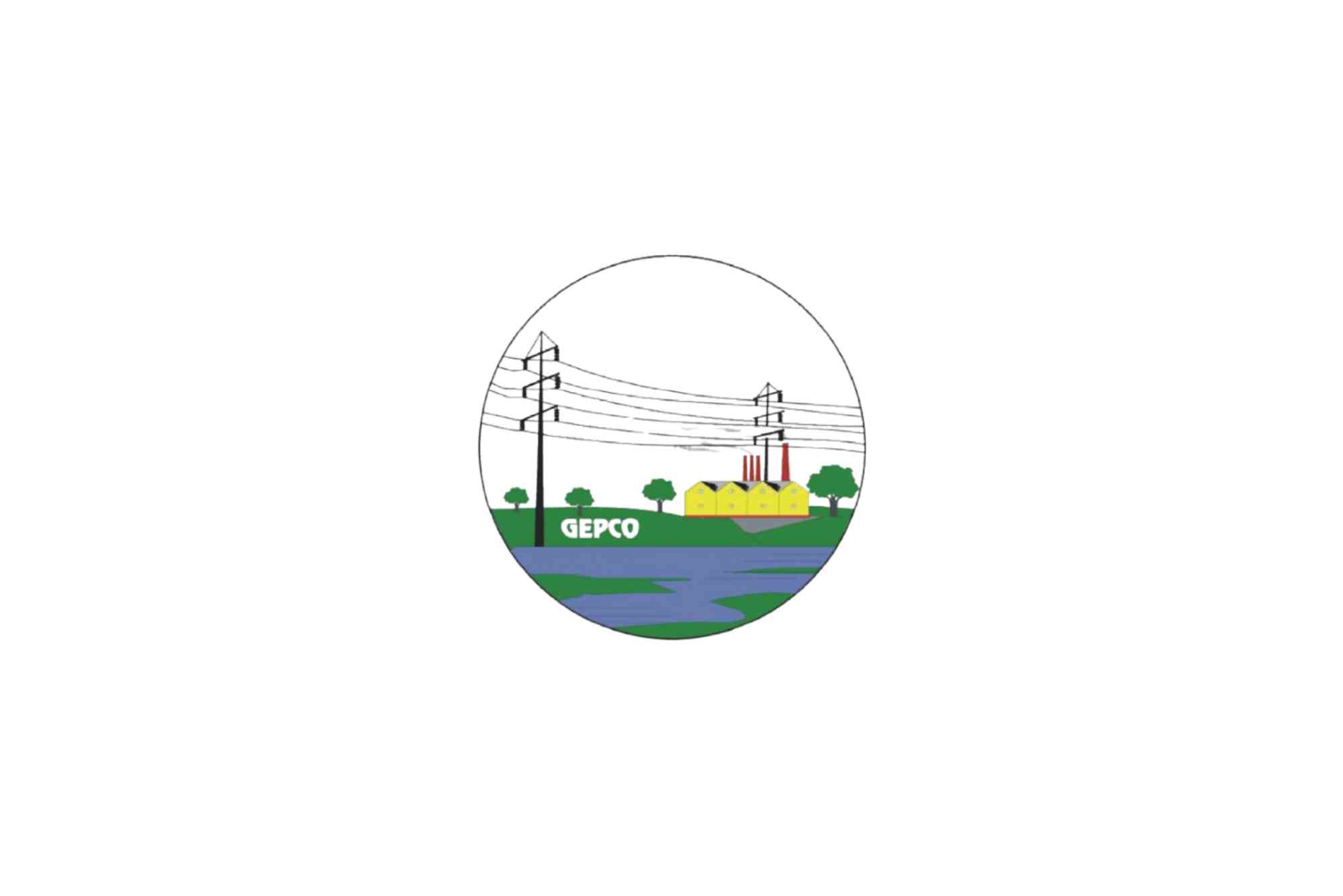
What Is the GEPCO Logo?
The GEPCO logo is the visual identity of Gujranwala Electric Power Company. Like any public-sector utility brand mark, it is used to create recognition across official documents, websites, service portals, and other company-related materials. For many users, the logo is not just a graphic. It acts as a trust signal. When someone sees the correct logo on an electricity portal, office sign, bill interface, or support material, it helps them recognize that the platform is related to GEPCO rather than a random third-party website.
This matters because the modern electricity user does not interact with one single printed bill anymore. Consumers may check a duplicate bill online, use a complaint portal, read guides about taxes, track an application, or browse support information on different devices. In that wider digital environment, brand recognition becomes more important. A page about the logo is therefore stronger when it explains the relationship between the company identity and the services users actually access, such as the GEPCO WAPDA bill guide, the GEPCO online complaint process, and the GEPCO tracking guide.
Why People Search for “Gepco Logo”?
This keyword attracts several different types of users. One group wants the logo for educational or informational use. Another wants to verify the official mark before using it in a news article, blog post, or service guide. A third group wants the logo in PNG or transparent format for presentations, brochure drafts, school assignments, YouTube thumbnails, banners, or utility comparison charts. There is also a practical user intent behind the search: some people are trying to confirm whether a page or bill-related site looks authentic before entering reference numbers or other details.
That last point is important. The more people rely on online utility tools, the more careful they become about visual trust signals. If the official GEPCO website and its web bill interface show a recognizable GEPCO identity, users start looking for the same consistency elsewhere as well. That is one reason why this keyword is more useful than it may first appear. The official GEPCO site and bill portal both publicly show GEPCO branding tied to electricity services and bill access. :contentReference[oaicite:2]{index=2}

Where the GEPCO Logo Usually Appears?
The logo commonly appears anywhere GEPCO presents itself as a service provider. This can include the official website, electricity bill portals, digital forms, department pages, corporate documents, and public notices. Even when people do not consciously pay attention to the logo, they still use it as a recognition marker. A familiar logo helps connect different services under one identity.
From a content perspective, this gives you a useful structure for internal linking. Someone who reaches a logo page may also need to check a real service page next. That is why it makes sense to connect this topic to the GEPCO MIS and PITC billing system guide, the GEPCO app guide, and the GEPCO new connection guide. The logo is part of the identity layer, while these pages handle the service layer.
Official Logo vs Random Logo Files Found Online
One of the biggest problems with logo searches is inconsistency. A search engine may show official pages, unofficial copies, logo aggregation websites, old vector packs, transparent PNG libraries, and user-uploaded graphics all mixed together. That means a person searching “Gepco Logo” can easily download a file that looks close to the real thing but is low quality, outdated, compressed, altered, stretched, or stripped of its original context.
This is where a useful article can genuinely help. Instead of only showing an image, it can explain how to think about logo reliability. A trustworthy approach is to cross-check the logo against the official GEPCO web presence and against known service-related contexts like the bill portal. There are also unofficial logo-hosting websites that display GEPCO-related logo files, but they are not the same thing as an official publishing source. :contentReference[oaicite:3]{index=3}
Why Brand Identity Matters for a Utility Company?
A utility company serves millions of people across homes, businesses, shops, and institutions. In that kind of environment, brand identity is not cosmetic only. It supports public trust, consistency, and recognition. Users dealing with bills, complaints, new connections, taxes, or customer support want to know that they are looking at the right company and the right service route. A recognizable logo helps provide that assurance.
GEPCO’s public identity also matters because its role covers electricity distribution for multiple districts in Punjab. The company’s public service scope and history are described in official and major public references, which is why the logo has broader relevance than a normal company image. :contentReference[oaicite:4]{index=4}
For BijliPK, that means a “Gepco Logo” page should not be treated like a thin image-post. It should support users who are already interacting with wider GEPCO content. Someone reading about the logo may next want to understand the GEPCO income tax, the GEPCO GST number, or the GEPCO bill calculator. Those are not unrelated topics. They all sit under the same utility identity.
How to Identify a Better Logo File?
When people search for a company logo, they usually care about one or more of four things: accuracy, quality, format, and usability. Accuracy means the mark should visually match the public-facing company identity. Quality means the file should not be blurry, stretched, or heavily compressed. Format matters because users may want transparent PNG, SVG, or a print-ready file. Usability depends on where they plan to place it, such as a thumbnail, report header, article banner, or utility comparison table.
A practical content page should therefore guide users away from careless downloading. If you are advising readers, it is better to tell them to compare any downloaded file against official branding contexts rather than trusting the first image result they see. In a utility niche, that basic caution is surprisingly important because bill, portal, and complaint-related branding is often used by people to judge whether a page seems legitimate.
Can You Download the GEPCO Logo from Third-Party Websites?
Yes, people can find GEPCO logo files on third-party graphic websites and brand repositories. But that does not automatically mean the file is official, current, or suitable for public or commercial reuse. Some logo directories provide vector or transparent versions that are useful for visual reference, but they should still be treated carefully. If accuracy matters, the safer method is to compare the graphic with GEPCO’s official visual presence first. :contentReference[oaicite:5]{index=5}
That is also why an informational article performs better than a pure download page. A useful article explains the difference between availability and authenticity. Just because a logo file is available somewhere does not mean it is the best version to use, and it definitely does not guarantee permission for commercial branding use.
When People Need the GEPCO Logo Most Often?
Search intent around this keyword becomes especially practical in certain situations. Students may need it for an assignment on Pakistan’s electricity distribution companies. News publishers may need it for a short utility update. Website owners may need it for a service explainer. Job applicants may want it for a presentation or document. Electricity consumers may want it for a comparison sheet covering different DISCOs. Designers may need it for a visual mockup or infographic.
In all of these cases, the reader often benefits from adjacent service information too. That is why a strong page can naturally point toward the GEPCO online application guide, the GEPCO peak time guide, and the GEPCO helpline article. The logo may be the starting query, but many users are actually navigating toward a bigger information need.
How the Logo Connects to GEPCO’s Digital Presence?
Digital trust is built through repetition and consistency. When a user sees similar naming, visual style, and branding across a company website, bill portal, and customer-facing materials, confidence grows. For GEPCO users, that means the logo becomes part of a wider pattern that includes bill access, identity, service communication, and online support. The official GEPCO website and web bill system reinforce this connection by presenting the company’s public-facing service identity online. :contentReference[oaicite:6]{index=6}
On BijliPK, this digital context gives the page much more value. Instead of writing a weak article like “Here is the GEPCO logo,” you can build authority by explaining how brand identity connects to bill checking, complaint handling, and account awareness. That is why linking back to the bill check page, the complaint guide, and the tracking page feels natural rather than forced.
Should You Use the GEPCO Logo in Your Own Content?
The answer depends on purpose. If the logo is being used for commentary, educational explanation, utility comparison, public-interest writing, or informational reporting, users often include it as a visual reference. But anyone using it in a business, marketing, packaging, or branding context should be more careful. A public utility logo is not a decorative image for unrestricted brand reuse. Misleading use can confuse users and create the impression of official affiliation where none exists.
That is why the safest advice is simple: use the logo carefully, use it truthfully, and do not present your page, product, or company as if it is an official GEPCO asset unless it actually is. For educational or editorial use, clarity matters. For commercial use, permission and context matter even more.
What a Strong “Gepco Logo” Page Should Cover?
A high-quality article on this keyword should do more than chase an image search. It should cover search intent from multiple angles and save the reader time. At a minimum, the page should explain what the logo is, why people search for it, where it appears, how to identify a better-quality version, what risks exist with random downloads, and how the logo fits into GEPCO’s public identity.
It should also support the rest of the website. On BijliPK, the best version of this page is one that works as a bridge to other GEPCO resources. Users looking for the logo may also want the main GEPCO guide, the bill explanation, the bill calculator, the mobile app guide, or the new connection process. That structure builds topical authority instead of leaving the page isolated.
Practical Tips Before Downloading or Reusing the Logo
- Compare the file visually with GEPCO’s official website or known official service pages.
- Prefer cleaner, higher-resolution files over stretched or blurry images.
- Do not assume every PNG or vector file found online is official or current.
- Avoid using the logo in a way that suggests false affiliation with GEPCO.
- Use the logo in context, especially if your content is educational, editorial, or informational.
- If you are publishing utility help content, connect the logo page to useful service guides rather than treating it as a stand-alone image page.
Why This Keyword Has SEO Value on BijliPK?
At first glance, “Gepco Logo” may look like a low-depth keyword. In reality, it has useful informational intent because it sits near brand verification, service trust, and digital utility awareness. It also gives BijliPK a chance to cover a small but real search demand that many general bill-check sites ignore. When that topic is expanded properly, it can attract image-search traffic, informational search traffic, and internal navigation traffic from users already reading GEPCO pages.
The value increases because BijliPK already has a strong GEPCO content cluster. The site’s GEPCO archive includes articles on topics such as the logo, peak time, tax certificates, WHT certificates, MIS, helpline, and billing guides, which means the keyword can be supported through a real internal network rather than a single orphan page. :contentReference[oaicite:7]{index=7}
How to Make This Page Better Than Typical Logo Pages?
Most logo pages on the web are weak because they do not explain anything. They show an image, maybe add two lines, and stop there. That is not enough anymore. To outperform thin pages, a BijliPK article should focus on user usefulness. It should answer the practical questions people actually have: Is this the correct GEPCO logo? Where does it appear officially? Can I use it? What file should I trust? What other GEPCO pages should I check if I am already dealing with a bill, complaint, or support issue?
This approach is also safer for long-term SEO. Search engines increasingly reward pages that satisfy intent in full. A helpful page around “Gepco Logo” is not really about one image. It is about identity, trust, and context. That makes the content more resilient, more linkable internally, and more useful to people who land on it from different angles.
Final Thoughts
The GEPCO logo may seem like a very narrow topic, but it sits inside a much broader utility ecosystem. People search for it because they want a verified image, a cleaner file, a better understanding of GEPCO’s public identity, or extra confidence that they are interacting with the right company context. That is why this keyword deserves more than a thin image post.
For BijliPK, the best strategy is clear. Treat the topic as part of the site’s wider GEPCO authority. Explain what the logo is, help users understand how to assess logo quality, clarify the difference between official context and random image repositories, and connect the page naturally to stronger service guides such as the GEPCO online bill check, GEPCO helpline, GEPCO online complaint, GEPCO tracking, and GEPCO category hub. That gives the page real value for users and much stronger SEO value for the site.
Related Reading: WWW GEPCO Com PK
Related Reading: GEPCO Tender – Latest Guide to GEPCO Tenders, PPRA Notices, Eligibility, and How to Apply
Related Reading: GEPCO Past Papers