When businesses and contractors search for reliable public sector opportunities in Pakistan, GEPCO tenders are often at the top of the list. The Gujranwala Electric Power Company regularly publishes procurement notices for goods, services, and infrastructure projects. These announcements create transparent business opportunities for suppliers, engineers, and contractors across the country.
Understanding how GEPCO tender notices work can significantly increase your chances of success. In this detailed guide, you will learn how to find the latest announcements, understand eligibility criteria, prepare documentation, and submit competitive bids. Whether you are a first-time bidder or an experienced contractor, this article will provide practical insight grounded in real procurement processes.
Understanding GEPCO and Its Procurement System
Gujranwala Electric Power Company, commonly known as GEPCO, is a public sector electricity distribution company operating under the umbrella of Water and Power Development Authority. The company is responsible for distributing electricity across several districts in Punjab, including Gujranwala, Sialkot, Gujrat, and Narowal.
Like other public utilities, GEPCO follows strict procurement rules to ensure transparency and accountability. These rules are aligned with guidelines issued by the Public Procurement Regulatory Authority (PPRA). Therefore, every GEPCO tender is published openly and awarded through a competitive bidding process.
Procurement announcements cover a wide range of categories. These include transformer supply, cable installation, meter procurement, civil works, IT solutions, and consultancy services. Consequently, both small vendors and large engineering firms can participate in GEPCO tenders, depending on their qualifications.
Why GEPCO Tenders Matter for Contractors and Suppliers
GEPCO tenders offer stable and secure government-backed contracts. For many businesses, winning a GEPCO tender means long-term financial sustainability and credibility in the market. Public sector contracts are often more structured and reliable compared to private sector agreements.
Moreover, GEPCO projects often involve infrastructure upgrades and network expansions. This creates recurring demand for electrical equipment, technical services, and maintenance work. As Pakistan’s electricity consumption continues to grow, procurement activities are expected to remain active.
Another important factor is transparency. Because GEPCO operates under PPRA rules, bidders have access to clear documentation, defined evaluation criteria, and formal grievance mechanisms. This reduces the risk of unfair practices and encourages open competition.
How to Find the Latest GEPCO Tender Announcements
Staying updated is crucial when tracking GEPCO tenders. Procurement notices are usually published in national newspapers and on official websites. The company also uploads notices to the PPRA portal for wider visibility.
Typically, a GEPCO tender notice includes a brief project description, eligibility requirements, tender fee details, submission deadline, and opening date. Missing the submission deadline automatically disqualifies the bidder, so timely monitoring is essential.
Contractors should regularly check official procurement portals and subscribe to notification services. Additionally, industry networks and trade associations often share updates about large tenders. This proactive approach ensures that you never miss an important opportunity.
Types of GEPCO Tenders You Can Apply For
GEPCO tenders are categorised based on the nature of procurement. The most common category involves electrical equipment supply. This includes transformers, poles, insulators, cables, and switchgear components.
Another significant category is civil and construction works. These projects may involve grid station construction, office renovations, and boundary wall installation. In such cases, bidders must demonstrate relevant technical experience and financial capacity.
Consultancy and service-based GEPCO tenders are also published periodically. These may include IT system upgrades, billing software development, or technical audits. Businesses specialising in digital transformation and automation should closely monitor these opportunities.
Eligibility Criteria for GEPCO Tenders
Eligibility criteria vary depending on the size and scope of the project. However, some common requirements apply to almost all GEPCO tenders. Bidders must be registered with relevant tax authorities and possess a valid NTN certificate.
In addition, companies are usually required to submit audited financial statements. This ensures that only financially stable firms participate in high-value contracts. Technical experience certificates are also mandatory for specialised projects.
For electrical works, valid PEC registration may be required. Meanwhile, suppliers must provide product certifications and compliance documents. Carefully reviewing the tender document is essential before submission.
Step-by-Step Process to Apply for a GEPCO Tender
The first step is purchasing the tender document from the designated office or downloading it from the official portal if available. The document contains detailed technical specifications, evaluation criteria, and contractual terms.
Next, bidders prepare a technical proposal and a financial proposal. The technical proposal demonstrates capability and compliance with specifications. The financial proposal outlines the quoted price and cost breakdown.
After preparation, sealed bids are submitted before the deadline. GEPCO opens the bids publicly on the announced date. Technical proposals are evaluated first. Only technically qualified bidders proceed to financial evaluation.
Finally, the contract is awarded to the lowest evaluated responsive bidder. Once awarded, the contractor must provide performance guarantees and begin work according to the project timeline.
Common Mistakes to Avoid When Submitting GEPCO Tenders
Many bidders fail due to incomplete documentation. Missing even a minor certificate can result in disqualification. Therefore, always cross-check the checklist provided in the tender document.
Another common mistake is underpricing without analysing costs. While the lowest bid often wins, unrealistic pricing may lead to financial losses during project execution. A balanced and well-calculated quote is always safer.
Late submission is another frequent issue. Public procurement rules do not allow deadline extensions for individual bidders. Submitting at least one day earlier can prevent unnecessary stress and technical issues.
How GEPCO Tenders Relate to Consumer Services
While GEPCO tenders mainly focus on procurement and infrastructure, they indirectly impact consumers. For example, upgraded transformers and modern billing systems improve electricity reliability and service quality.
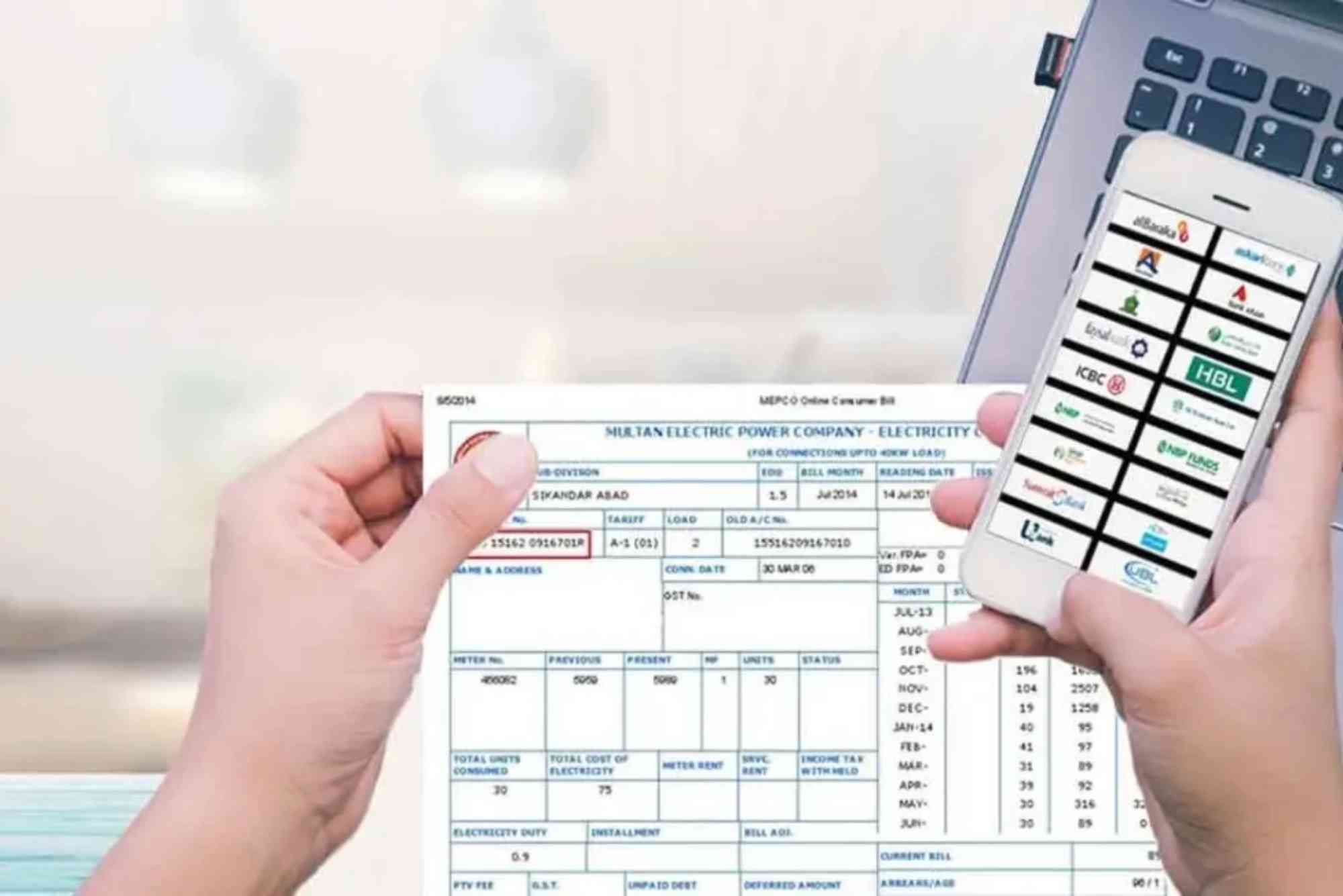
Consumers looking to manage their electricity accounts can benefit from digital platforms such as Gepco Online Bill Check. This service allows users to verify billing details and payment status conveniently. You can access it through this internal resource: Gepco Online Bill Check.
Similarly, broader electricity account management tools are available via the Online Bill Check platform. These services complement GEPCO’s infrastructure investments funded through procurement contracts.
Transparency and Compliance in GEPCO Procurement
Transparency is central to the GEPCO tender process. All bidding follows PPRA guidelines and standard bidding documents. This ensures fairness and open competition.
In case of disputes, bidders can file complaints according to PPRA rules. Evaluation reports are often made publicly available after contract awards. This transparency strengthens trust in public procurement.
For official guidelines, contractors can consult the PPRA websit. Understanding regulatory frameworks significantly improves compliance and reduces rejection risks.
Frequently Asked Questions About GEPCO Tenders
What is a GEPCO tender?
A GEPCO tender is an official procurement notice issued by Gujranwala Electric Power Company. It invites suppliers and contractors to submit bids for goods, services, or works required by the company.
How can I apply for GEPCO tenders online?
You can monitor official websites and the PPRA portal for announcements. After obtaining the tender document, prepare your bid according to instructions and submit it before the deadline.
Who can participate in GEPCO tenders?
Any registered company meeting the eligibility criteria can participate. Requirements typically include tax registration, financial stability, and relevant technical experience.
How are GEPCO tenders awarded?
Contracts are awarded to the lowest evaluated responsive bidder. This means the bidder must meet all technical requirements and offer a competitive price.
Where are GEPCO tender results published?
Tender results are usually published on official procurement portals and may also appear in newspapers. Evaluation reports may be accessible under PPRA transparency rules.
The Future of GEPCO Tenders and Procurement Trends
Public procurement in Pakistan is gradually shifting towards digital platforms. E-procurement systems are being introduced to reduce paperwork and enhance transparency. GEPCO is expected to expand online bidding systems in the coming years.
Furthermore, renewable energy integration and smart grid technologies may influence future GEPCO tenders. As the energy sector evolves, procurement will likely focus on automation, efficiency, and sustainability.
Contractors who invest in technical training and compliance standards will be better positioned to secure upcoming projects. Staying informed about industry trends is no longer optional; it is essential.
Stay Ahead with the Latest GEPCO Tenders
GEPCO tenders present valuable opportunities for contractors, suppliers, and service providers across Pakistan. By understanding the procurement process, meeting eligibility requirements, and submitting complete documentation, businesses can significantly improve their success rate.
Transparency, regulation, and structured evaluation make GEPCO tenders a reliable avenue for growth. However, preparation and timely action are crucial. Regularly monitor official announcements, review tender documents carefully, and maintain compliance with regulatory standards.