Electricity shortages remain a daily concern for millions in Khyber Pakhtunkhwa. The PESCO load shedding schedule helps households and businesses plan around power outages. However, schedules change often due to demand, weather, and technical faults. This guide explains the latest updates, how to check area-wise timings, and what to expect in the coming weeks.
This article is written to be practical and current. It reflects real consumer concerns and verified operational patterns. If you rely on PESCO power, this guide will save you time and frustration.
Understanding PESCO and Its Power Distribution Role
Peshawar Electric Supply Company serves a vast region. It covers Peshawar, Mardan, Swabi, Abbottabad, and nearby districts. The network includes urban centers and remote rural feeders. This wide coverage makes power management complex.
PESCO manages transmission lines, feeders, and grid stations. Demand often exceeds supply during peak hours. As a result, load shedding becomes unavoidable. Knowing how PESCO plans outages helps consumers prepare better.
The PESCO load shedding schedule is designed to distribute shortages fairly. Yet, ground realities can differ. Technical losses, theft, and emergency repairs also affect supply.
Why Load Shedding Happens in PESCO Areas
Several factors contribute to outages across Khyber Pakhtunkhwa. High summer demand increases pressure on the grid. Air conditioners and coolers raise consumption sharply.
Hydel generation fluctuates with water levels. During dry months, supply drops. Fuel shortages and maintenance delays also reduce generation capacity.
Line losses and theft remain serious challenges. Some feeders face longer outages due to recovery issues. PESCO prioritizes low-loss feeders, which affects schedules.
Understanding these reasons explains why the PESCO load shedding schedule may vary by area.
Latest PESCO Load Shedding Schedule Updates
Recent updates indicate a more structured approach. Urban areas generally face fewer hours than rural regions. Major cities may experience two to four hours daily. Rural feeders can face six to eight hours, depending on losses.
However, emergency shutdowns still occur. Weather-related faults can disrupt planned timings. Grid maintenance may also extend outages unexpectedly.
PESCO announces changes through local notices and digital platforms. Consumers should check updates regularly to avoid surprises.
Area-Wise Load Shedding Timings Explained
Each feeder follows a specific pattern. Timings depend on demand, recovery, and technical health. High-recovery feeders enjoy shorter outages. Low-recovery feeders face longer cuts.
Urban commercial zones often receive priority. Hospitals and essential services are exempt or face minimal disruption. Residential areas rotate according to feeder plans.
Knowing your feeder name is essential. It allows accurate tracking of the PESCO load shedding schedule for your locality.
How to Check Your PESCO Feeder Schedule Online
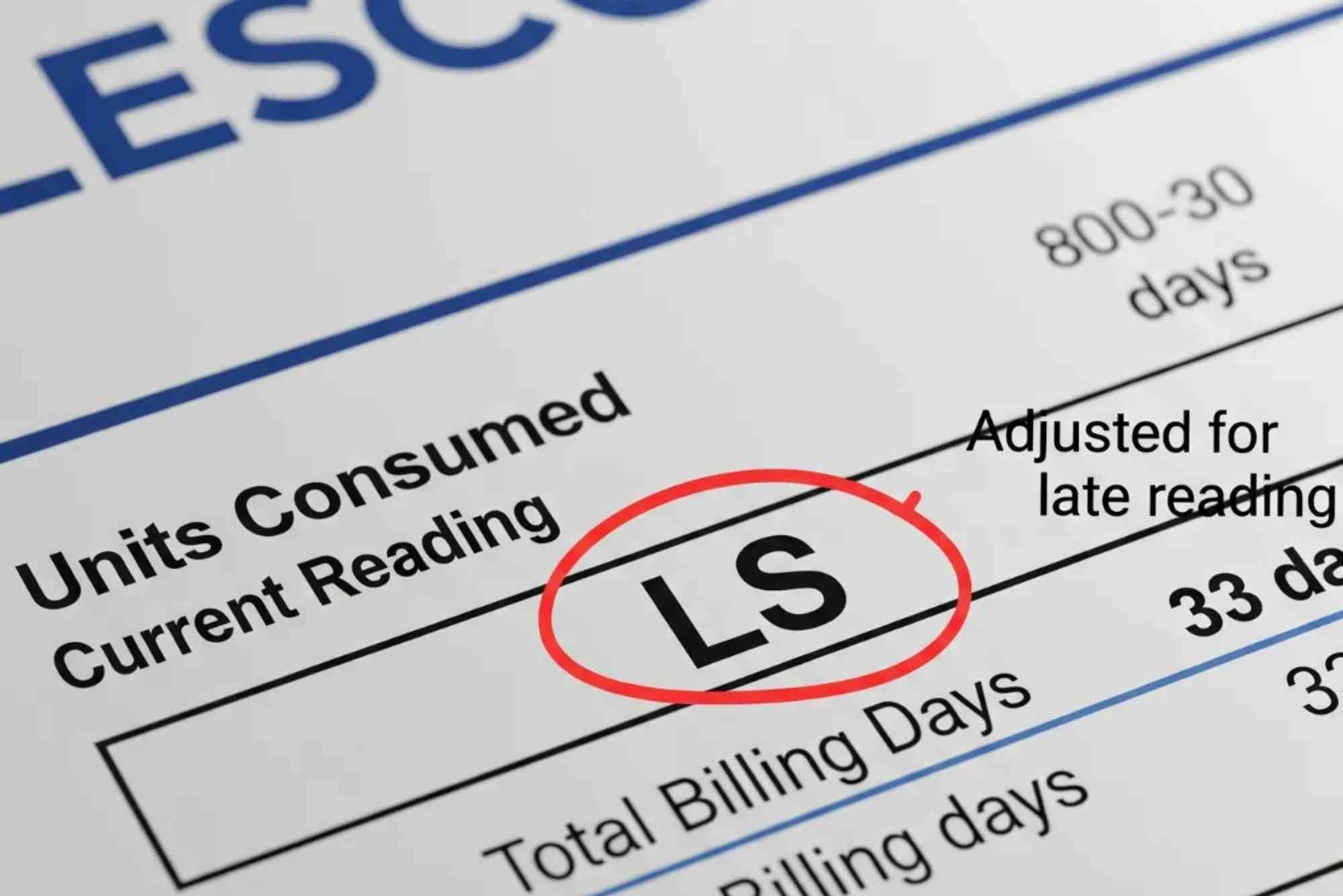
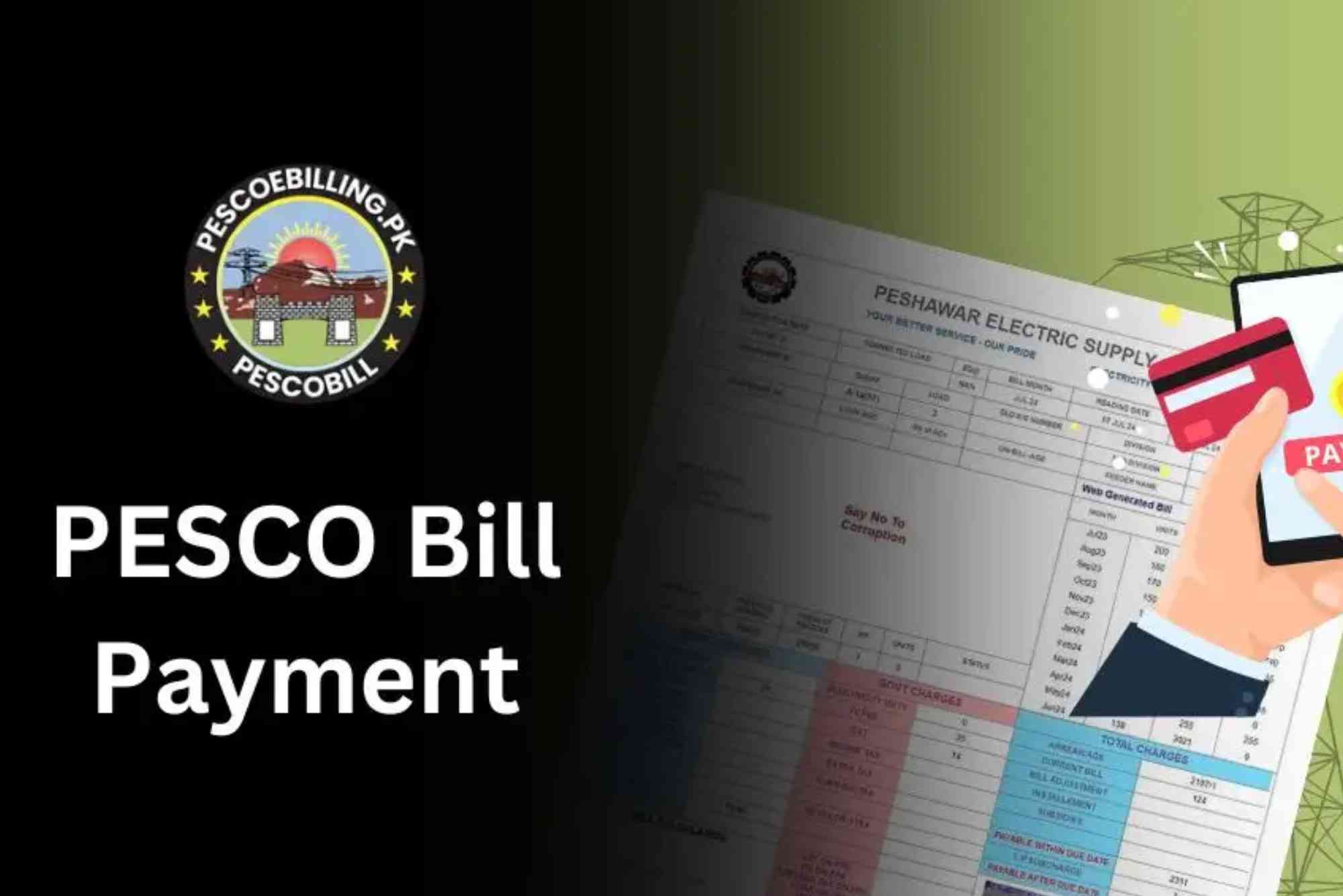
Digital access has made schedule tracking easier. Consumers can check bills and feeder details online. Your electricity bill shows the feeder name and grid station.
Once you know the feeder, updates become clearer. Many users also check billing status to confirm account standing. You can use the official PESCO Online Bill Check service at to view bill details and related information.
Staying informed helps you plan work, study, and household routines efficiently.
Differences Between Summer and Winter Load Shedding
Load shedding intensity changes with seasons. Summer brings higher demand due to cooling needs. Outages are usually longer and more frequent.
Winter demand drops in many areas. Hydel generation may improve if water levels rise. As a result, outages reduce or stop in some feeders.
However, gas shortages can increase electric heater use. This sometimes balances out the reduced demand. The PESCO load shedding schedule adjusts accordingly.
Impact on Businesses and Daily Life
Power outages affect productivity and comfort. Small businesses suffer losses due to downtime. Students struggle with online classes and exam preparation.
Households face challenges in water supply and cooling. Many invest in UPS systems and solar panels. These solutions reduce dependence on grid power.
Understanding outage patterns allows better energy planning. It also helps reduce stress during peak hours.
How PESCO Decides Load Shedding Priority
PESCO uses recovery data to set priorities. Feeders with timely bill payments get relief. Areas with high theft face stricter schedules.
Essential services receive special consideration. Industrial zones may negotiate dedicated supply lines. This policy aims to improve overall recovery.
Consumers can improve their area’s status by paying bills on time. Regular checking through Online Bill Check at helps avoid payment delays and penalties.
Tips to Manage Power Outages Effectively
Preparation reduces inconvenience. Charge devices before peak hours. Use energy-efficient appliances to lower demand.
Install backup lighting and fans. Schedule heavy tasks during supply hours. Keep important work offline when possible.
Community coordination also helps. Shared generators or solar solutions reduce costs. These steps make the PESCO load shedding schedule more manageable.
Expected Changes in the Coming Months
Authorities aim to reduce outages through reforms. New transmission upgrades are underway. Crackdowns on theft have shown early results.
Renewable energy projects are expanding. Solar integration is increasing in urban homes. These trends may ease pressure on the grid.
Still, challenges remain. Fuel costs and demand growth continue. Consumers should expect gradual, not instant, improvements.
Common Myths About PESCO Load Shedding
Many believe outages are random. In reality, most follow feeder-based planning. Others think complaints have no impact. Consistent reporting does help identify faults.
Some assume paying bills guarantees zero outages. While it helps, system-wide shortages still affect supply. Accurate information prevents frustration and misinformation.
FAQ: People Also Ask About PESCO Load Shedding Schedule
What is the current PESCO load shedding schedule?
The schedule varies by feeder and area. Urban feeders usually face fewer hours than rural ones. Timings change with demand and system conditions.
How can I find my PESCO feeder name?
Your feeder name appears on your electricity bill. You can also check it through online bill services using your reference number.
Why does load shedding change without notice?
Emergency faults, weather issues, and grid maintenance cause sudden changes. These events override planned schedules.
Does PESCO load shedding differ by city?
Yes, each city and feeder has a different plan. Recovery rates and demand levels influence local schedules.
Can complaints reduce load shedding in my area?
Complaints help report faults and illegal connections. However, overall reductions depend on recovery and system capacity.
Stay Informed and Plan Smartly
The PESCO load shedding schedule remains a key factor in daily life across Khyber Pakhtunkhwa. While outages continue, informed consumers cope better. Understanding feeder-based planning, seasonal changes, and updates reduces uncertainty.
Make it a habit to check your bill and feeder details regularly. Use trusted online tools and stay alert to announcements. For more helpful resources and updates, explore this internal link at and stay one step ahead of power outages.