Relationship Between WAPDA and FESCO – Explained
Understanding the relationship between WAPDA and FESCO is important for anyone who wants to know how electricity is managed and distributed in Pakistan. The connection between these two institutions affects millions of consumers, especially in Punjab. In this article, you will learn how WAPDA and FESCO operate, how they differ, and how they coordinate to keep the power system running. The focus keyword fesco wapda appears naturally throughout this guide to help you discover everything you need to know.
Introduction
The power sector of Pakistan is built on a detailed structure that includes multiple organizations. Among them, WAPDA and FESCO play crucial roles. Many people still confuse their responsibilities or assume they are the same entity. However, WAPDA oversees water and power resources at a national level, while FESCO is one of the regional electricity distribution companies. Understanding the fesco wapda link is essential because it helps consumers know who handles generation, transmission, distribution, and billing. This clarity is especially important when dealing with complaints, resolving outages, or checking bills through services like FESCO Online Bill Check or general Online Bill Check Once you understand the structure, it becomes easier to handle electricity-related issues more effectively.
What Is WAPDA?
WAPDA, the Water and Power Development Authority, was created in 1958 to manage Pakistan’s water and hydropower resources. Over the years, it has developed major dams, hydropower plants, and water storage systems. Although it once controlled all electricity operations, reforms eventually reduced its responsibilities. Today, WAPDA’s main roles include hydropower generation, water resource development, and large energy infrastructure projects. It no longer manages electricity distribution or billing, which is a common area of confusion for consumers.
WAPDA’s Main Responsibilities
WAPDA focuses primarily on water and hydropower. The authority oversees massive projects such as Mangla Dam, Tarbela Dam, and Neelum–Jhelum. These projects support national energy supply through hydropower generation while controlling floods and improving irrigation. WAPDA works under the federal government and provides the country with long-term plans for water management and power generation. It does not distribute electricity to homes or businesses, nor does it issue monthly electricity bills. This is where FESCO and other DISCOs perform their duties.
What Is FESCO?
FESCO, the Faisalabad Electric Supply Company, is one of Pakistan’s major electricity distribution companies. It distributes electricity to Faisalabad, Jhang, Chiniot, Toba Tek Singh, Mianwali, Bhakkar, and surrounding regions. Unlike WAPDA, which deals with water and hydropower on a national level, FESCO’s job is regional. It ensures electricity reaches consumers safely and reliably. The company maintains local grids, installs meters, manages billing, and resolves connection issues. Many users often reach FESCO services to track their monthly bills through tools like FESCO Online Bill Check.
FESCO’s Main Responsibilities
FESCO works under NEPRA and PEPCO guidelines. Its duties include ensuring uninterrupted distribution, handling customer support, managing transformers, maintaining lines, and providing quick technical assistance. It also controls new connections, billing policies, and meter readings. For millions of users, FESCO is the final authority in electricity-related matters. Whenever a power failure occurs or a billing issue arises, consumers contact FESCO rather than WAPDA. This distinction shows how separate yet connected the fesco wapda structure truly is.
The Relationship Between WAPDA and FESCO
The relationship between WAPDA and FESCO can be described as structural but not operational. WAPDA generates hydropower and develops major national projects, while FESCO distributes electricity at a local level. After reforms in the 1990s and 2000s, Pakistan’s power sector was unbundled. This created separate companies responsible for generation, transmission, and distribution. WAPDA became responsible for hydropower only, while FESCO became responsible for electricity delivery in its designated areas.
How They Work Together
WAPDA generates hydropower, which becomes part of the national grid. NTDC then transmits this electricity across the country. Finally, companies like FESCO distribute it to homes and businesses. This creates a chain where WAPDA supports the generation side and FESCO handles distribution. Although WAPDA does not manage FESCO directly, both operate within Pakistan’s power infrastructure. Their coordination helps ensure stable electricity availability. The connection is therefore indirect but essential.
Why People Confuse WAPDA and FESCO
Many consumers still refer to all electricity-related problems as “WAPDA issues.” This confusion comes from old structures when WAPDA managed generation and distribution. Today, each region has a separate DISCO like FESCO, MEPCO, GEPCO, and LESCO. As a result, billing, outages, complaints, and meter-related services fall under FESCO rather than WAPDA. Understanding this distinction allows consumers to seek the right department when solving electricity issues.
Key Differences Between WAPDA and FESCO
The differences between WAPDA and FESCO highlight how Pakistan’s energy sector works today. WAPDA handles long-term national projects, while FESCO manages daily distribution tasks. WAPDA is a federal organization, while FESCO is a regional corporate entity. WAPDA focuses on hydropower, and FESCO focuses on consumer electricity supply. Knowing these differences helps the public understand who to contact for different issues.
Impact of WAPDA and FESCO on Consumers
Consumers rely on both institutions for different reasons. WAPDA ensures Pakistan has enough hydropower resources to support growing demand. Without WAPDA’s dams and hydropower plants, electricity shortages would increase. Meanwhile, FESCO ensures that electricity actually reaches homes and remains stable. Consumers rely on FESCO for safe distribution, accurate billing, and quick technical assistance.
How This Affects Billing
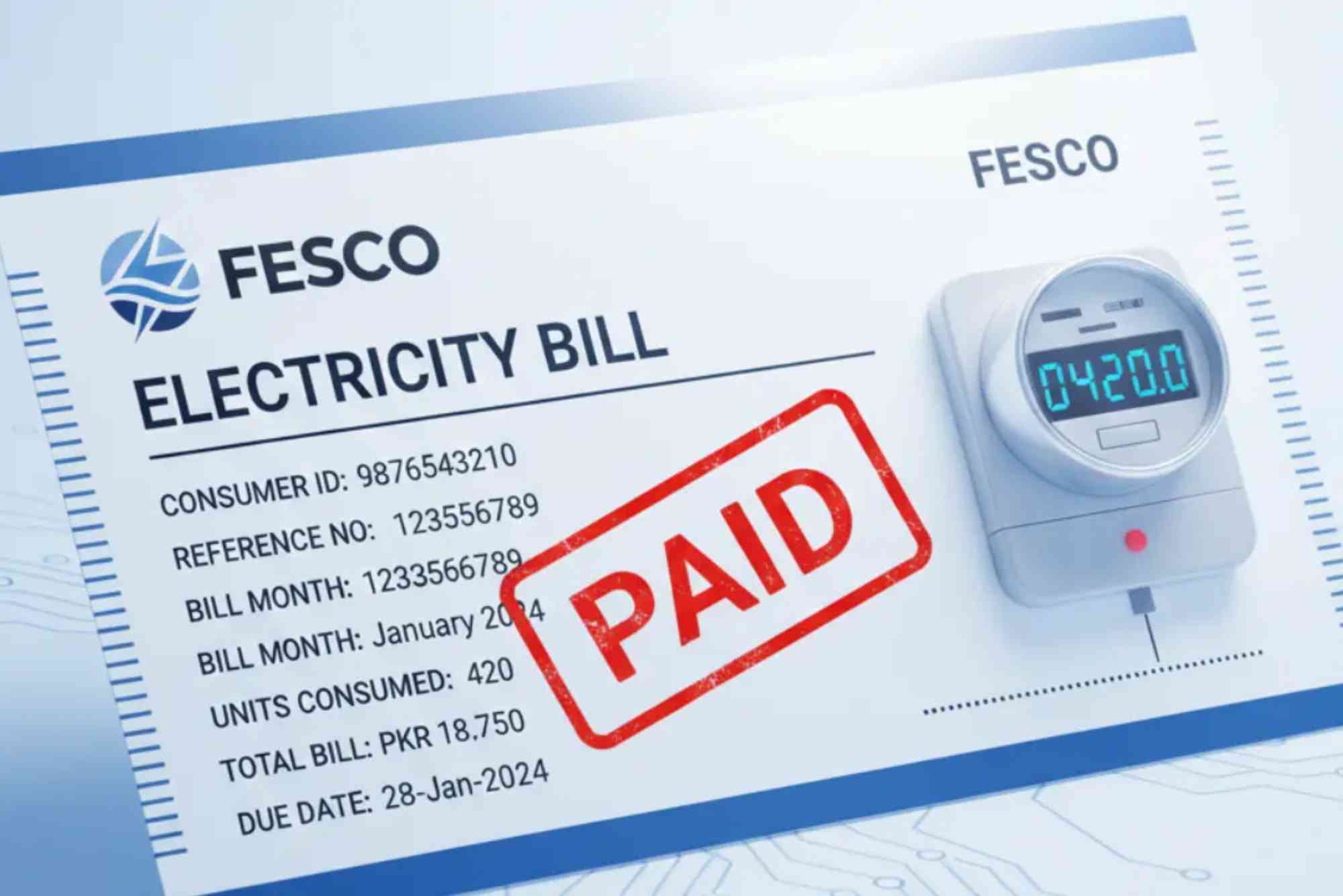
Billing is managed entirely by FESCO. Whether you need duplicate bills, meter readings, or payment updates, you deal with FESCO. Tools such as FESCO Online Bill Check help consumers get instant access to their bills. Since WAPDA has no role in billing today, the confusion leads many consumers to contact the wrong department. Knowing this difference saves time and makes issue resolution easier.
How This Affects Power Outages
Power outages caused by faults, maintenance, or load management are handled by distribution companies. In the FESCO region, all outage complaints must be reported to FESCO customer service. WAPDA does not deal with local faults or power cuts. Understanding this structure ensures complaints reach the correct authority quickly.
How the Energy Structure Works Today
Pakistan’s modern energy setup includes WAPDA, private power producers, transmission companies, and regional DISCOs like FESCO. WAPDA generates hydropower and manages mega projects, NTDC transmits electricity, and FESCO distributes it. This multi-layer structure ensures a balanced and organized electricity system. Although challenges remain, reforms have made the sector more organized. Understanding the fesco wapda relationship helps consumers see the bigger picture.
(FAQs)
Is FESCO part of WAPDA?
No, FESCO is not part of WAPDA. It is a separate electricity distribution company responsible for supplying electricity in its region.
Does WAPDA control electricity bills?
WAPDA does not manage billing. FESCO fully handles meter reading, billing, and duplicate bill services.
Who should I contact for a power outage?
Consumers should contact FESCO for all power outage issues within its service regions.
Does WAPDA still produce electricity?
Yes, WAPDA produces electricity through hydropower plants across Pakistan.
Can I check my FESCO bill online?
Yes, consumers can check bills using FESCO Online Bill Check or general Online Bill Check tools.
Understanding the relationship between WAPDA and FESCO helps consumers navigate electricity-related issues more confidently. WAPDA handles hydropower development, while FESCO manages distribution and billing in its region. When you know how the system works, it becomes easier to address problems, check bills, or follow updates. If you want quick access to monthly bills, try reliable services such as FESCO Online Bill Check or Online Bill Check, which offer instant results. For more helpful guides and resources, explore trusted platforms and stay informed.