Complete Guide to MEPCO Tariff and Charges
Understanding the MEPCO tariff is essential for managing your monthly electricity costs. Whether you are a domestic user, a business owner, or a farmer, tariff rates directly affect your bill amount. This guide explains MEPCO charges in simple language so you can make informed decisions, avoid surprises on your bill, and stay updated with the latest approved rates.
MEPCO (Multan Electric Power Company) supplies electricity across South Punjab. As the region grows, electricity demand continues rising. Because of this, tariff structures are updated regularly by NEPRA. In this detailed guide, you will learn how MEPCO tariff categories work, how your bill is calculated, and which additional charges apply each month.
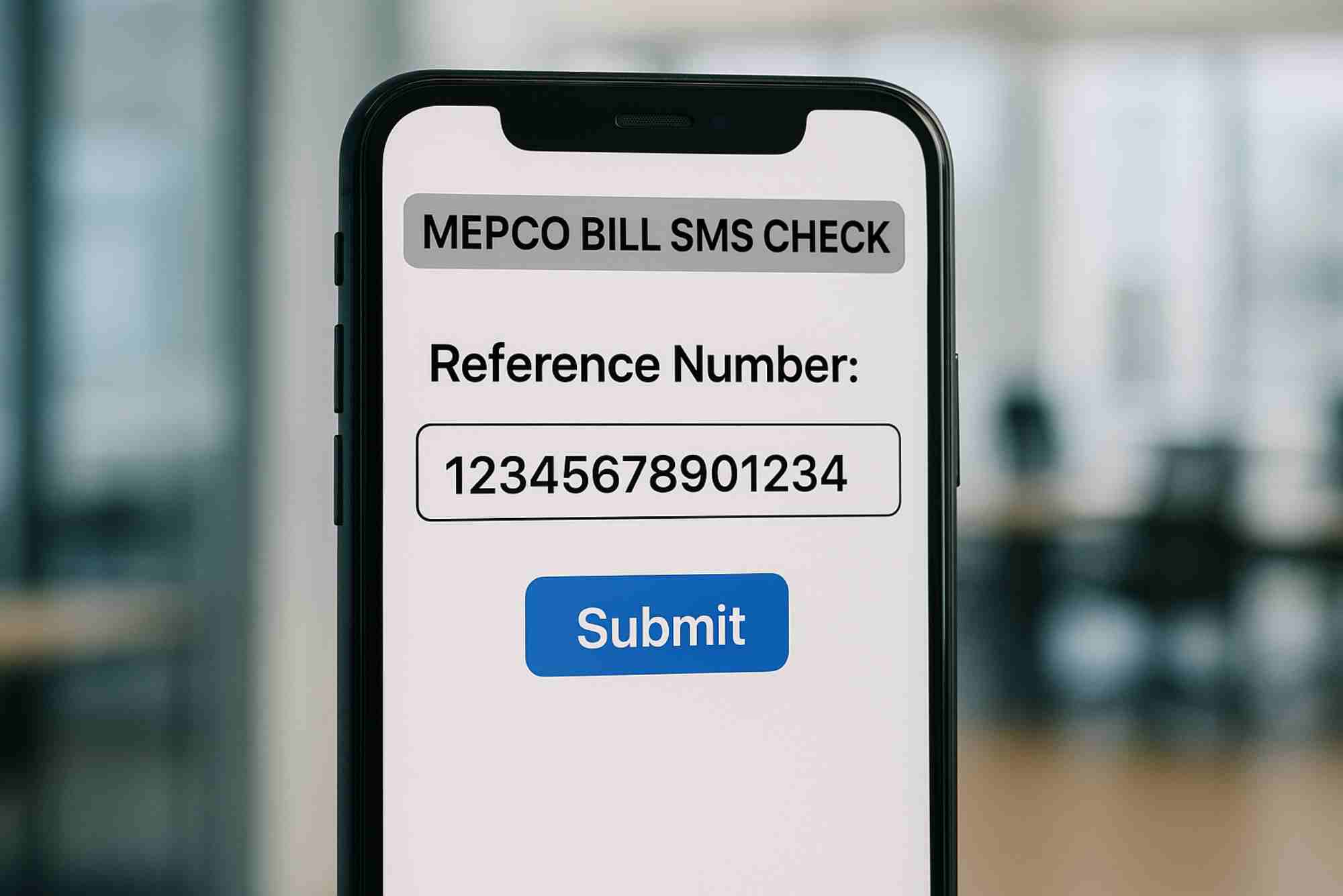
If you ever want to review your monthly bill, you can use MEPCO Online Bill Check through this link.
Or check any electricity company bill using Online Bill Check at.
Understanding the MEPCO Tariff Structure
Electricity tariffs in Pakistan follow NEPRA guidelines. MEPCO applies these rates to calculate each consumer’s bill. The tariff includes the base rate per unit, fixed charges, taxes, subsidies, and fuel adjustments. Your consumption level, meter type, and category determine your final bill total.
Consumers usually fall under one of these main categories: domestic, commercial, industrial, agricultural, and special institutions. Each category has different pricing slabs, making it essential to understand which slab applies to you.
MEPCO Tariff for Domestic Consumers
Domestic consumers make up the highest percentage of MEPCO users. Their tariff is based on monthly unit consumption. Lower usage has subsidized rates, while higher usage shifts into more expensive slabs.
Domestic Slabs Explained
The domestic MEPCO tariff includes different unit-based slabs. Each slab has a separate per-unit rate. For example, users consuming below 100 units pay a reduced rate compared to those using more than 300 units.
These slab rates encourage energy conservation. As your usage increases, the per-unit rate also rises. This system helps the government manage electricity demand, especially during peak seasons.
Protected vs. Unprotected Consumers
Some domestic consumers qualify as “protected consumers.” These include users who consistently consume less than 200 units per month and have no delayed bills. Protected consumers receive lower per-unit rates.
Meanwhile, unprotected users pay slightly higher charges.
Understanding whether you fall in the protected category is important because it affects your total monthly cost.
MEPCO Tariff for Commercial Connections
Commercial users include shops, small businesses, bakeries, and offices. Their tariff is higher compared to domestic users because commercial activities consume more power.
Small vs. Large Commercial Tariffs
Small shops with a load under 5 kW fall under a separate category and enjoy lower fixed charges. Larger businesses with a load over 5 kW pay higher fixed monthly charges and a higher per-unit rate.
Commercial users also face time-of-use meter rules if their load is significant.
Industrial Tariff Structure
Industries require stable and high-volume electricity. MEPCO offers multiple industrial categories based on load and meter type. Industrial tariff rates are lower compared to commercial because industries contribute heavily to economic growth.
Time-of-Use (TOU) System for Industries
Many industries operate under a TOU system. MEPCO applies different rates for peak and off-peak hours. Peak hours have higher prices to discourage heavy load on the grid. Off-peak hours have discounted rates, allowing industries to shift operations and reduce costs.
This TOU approach helps stabilize the load on the MEPCO grid and ensures better power management.
MEPCO Tariff for Agricultural Consumers
Farmers using tube wells fall under the agricultural tariff category. These users receive subsidized rates to support the agricultural sector. Government subsidies help reduce overall costs for irrigation.
Off-Peak Advantages for Tube Wells
Agricultural users usually run their tube wells at night when demand is lower. MEPCO offers reduced rates for off-peak usage. This support is crucial for farmers, especially during summer irrigation cycles.
Additional MEPCO Charges You Should Know
Besides the main per-unit tariff, MEPCO bills include several additional charges. These vary each month but understanding them helps you calculate your bill more accurately.
Fuel Price Adjustment (FPA)
FPA is based on monthly fuel cost variations for power generation. When fuel prices increase, the FPA amount increases accordingly. This charge may appear on some months and not on others.
Quarterly Tariff Adjustments (QTA)
Every three months, NEPRA announces the quarterly adjustment. This adjustment can either increase or decrease your bill. It covers capacity payments, inflation adjustments, and distribution costs.
Fixed Charges
Fixed charges depend on your connection type. Domestic users pay minimal fixed charges. However, commercial and industrial consumers have higher fixed monthly fees due to heavier infrastructure requirements.
Taxes and Government Charges
Your bill also includes GST, electricity duty, TV fee, and other government-imposed taxes. These charges apply to most MEPCO consumers and vary based on consumption.
How MEPCO Calculates Your Monthly Bill
Understanding the bill calculation process helps you verify your monthly charges. MEPCO follows a step-by-step formula.
Bill Breakdown
First, the units consumed are multiplied by the rate of your assigned slab. Then fixed charges are added, followed by FPA and QTA (if applicable). Finally, taxes are applied to calculate the total payable amount.
This method ensures transparency and helps consumers predict their monthly bills.
If you want to check your latest bill or download a duplicate, visit MEPCO Online Bill Check.
How to Reduce Your MEPCO Bill
Reducing your electricity bill is possible with proper planning. Efficient appliances, controlled usage, and off-peak consumption can significantly lower your monthly charges.
Energy Saving Tips
Using LED bulbs, cleaning AC filters, and switching off appliances when not in use helps reduce consumption. You can also shift heavy appliances like washing machines or irons to off-peak hours.
These changes may seem small, but they make a noticeable difference in your bill.
Common Issues Users Face with MEPCO Tariff
Consumers often experience confusion regarding tariff updates, increases in FPA, or bill errors. Many users are unaware of their slab category, which leads to bill shock.
How to Resolve Tariff-Related Issues
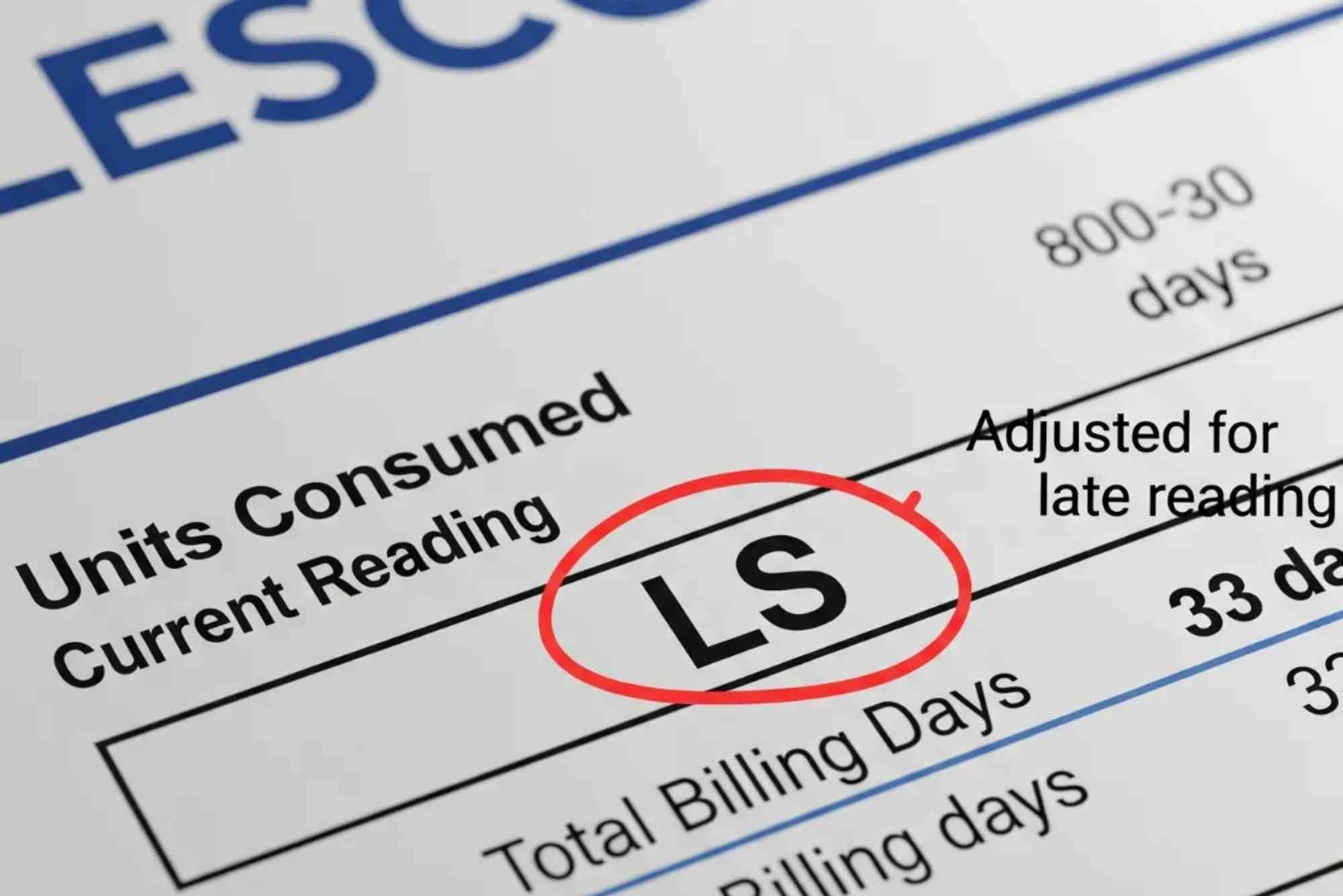
You can contact the MEPCO helpline or visit the nearest subdivision office. The bill correction desk can guide you through slab clarification, meter reading adjustments, or overbilling complaints.
FAQs
What is the MEPCO tariff in Pakistan?
The MEPCO tariff is the per-unit rate charged for electricity, approved by NEPRA. It includes base charges, fuel adjustments, quarterly adjustments, and taxes.
How is the MEPCO bill calculated?
Your bill is calculated by multiplying consumed units with the tariff rate, adding fixed charges, FPAs, QTAs, and government taxes.
Why does my MEPCO bill increase every month?
Bill increases usually occur due to higher consumption, FPA charges, quarterly adjustments, and changing tariff slabs.
What are protected consumer slabs in MEPCO?
Protected consumers are domestic users who consume less than 200 units and have no overdue bills. They receive subsidized tariff rates.
Where can I check my MEPCO bill online?
You can check your bill through the MEPCO Online Bill Check service.